june(at)jemspot.de
ARCHITECT (at)
Schönborn Schmitz ARCHITECTS
ART DIRECTOR (AT)
Artbase GALLERY FOR CONTEMPORARY ART
2025 competion Education berlin.germany
2026 competion Hospitality HALLE.Saale.Germany
2023 paper housing BSCHLABERTAL.Austria
2023 project housing BSCHLABERTAL.Austria
2023 project public MUNICH.germany
2024 competion Cultural halle.saale.germany
2022 project Cultural MUNICH.germany
2022 project Education BREGENZ.Austria
2026 Curatorial public BERLIN.germany
2026 project Residential kassel.germany
2025 competioin Cultural BERLIN.germany
2025 project Residential bremen.germany
2024 competioin education Allgau.germany
2022 Curatorial public munich.germany
2022 Research housing munich.germany
2021 Curatorial public wiesbaden.germany
2020 competioin Urbanism Bodensee.germany
Open, two-stage anonymous competition
New Construction of the Peter Joseph Lenne Elementary School in Hoppegarten
represented by Hoppegarten Racetrack Association, General Public Administration
Head of project: June Saul
Office: GKL architects
Project Leads: Johannes Löbbert, Johan Kramer
Landscape Architecture: bbz landschaftsarchitekten berlin gmbh bdla
011


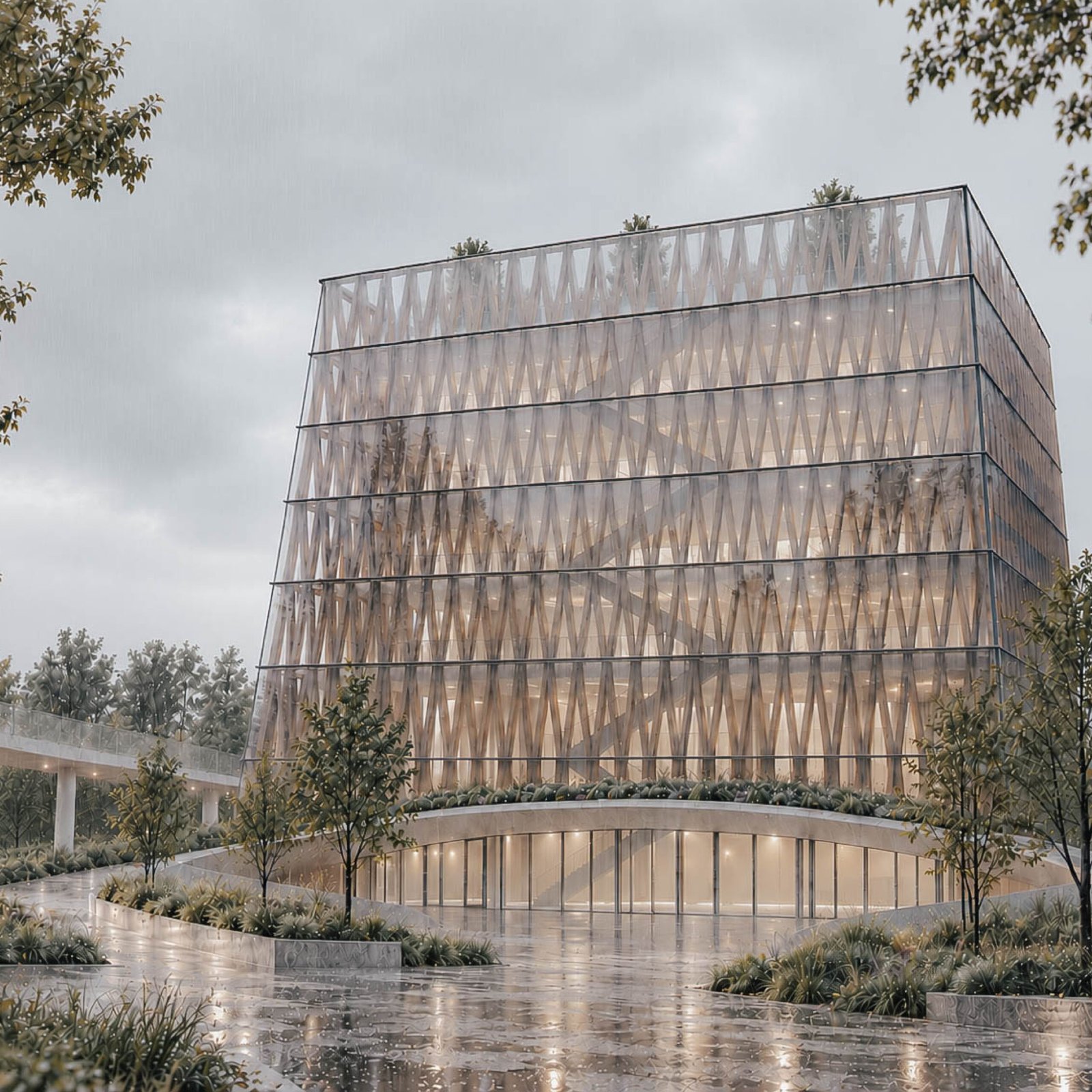
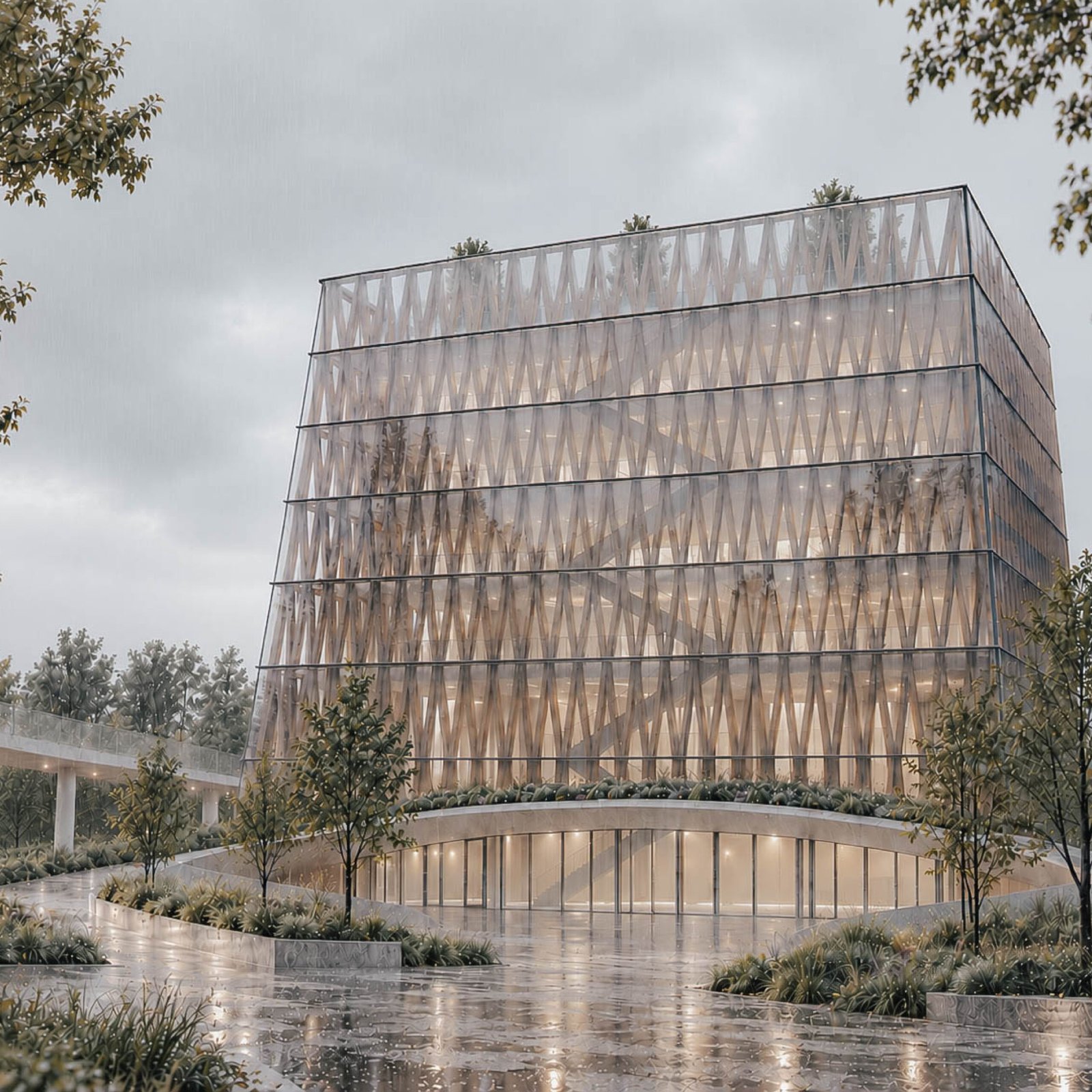
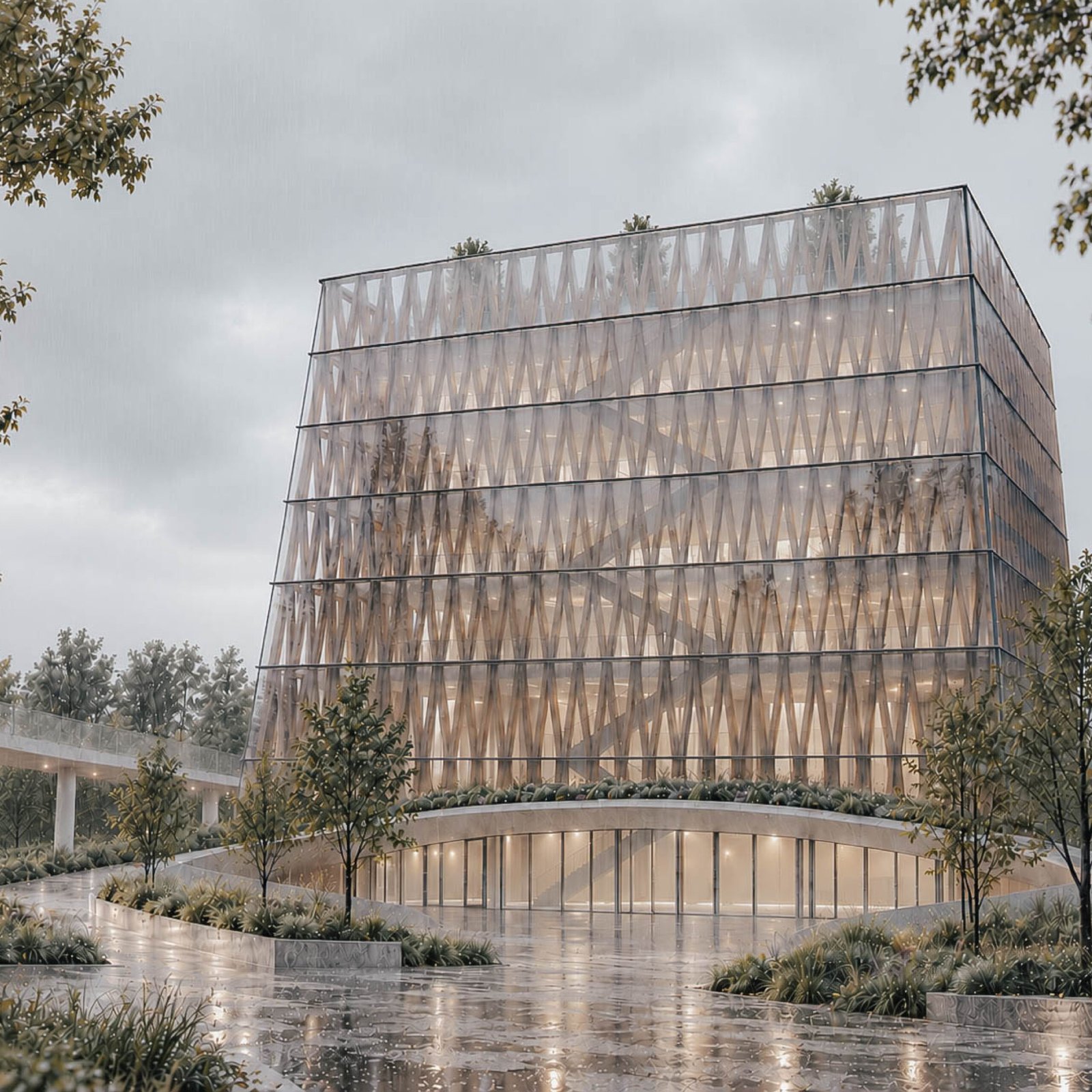
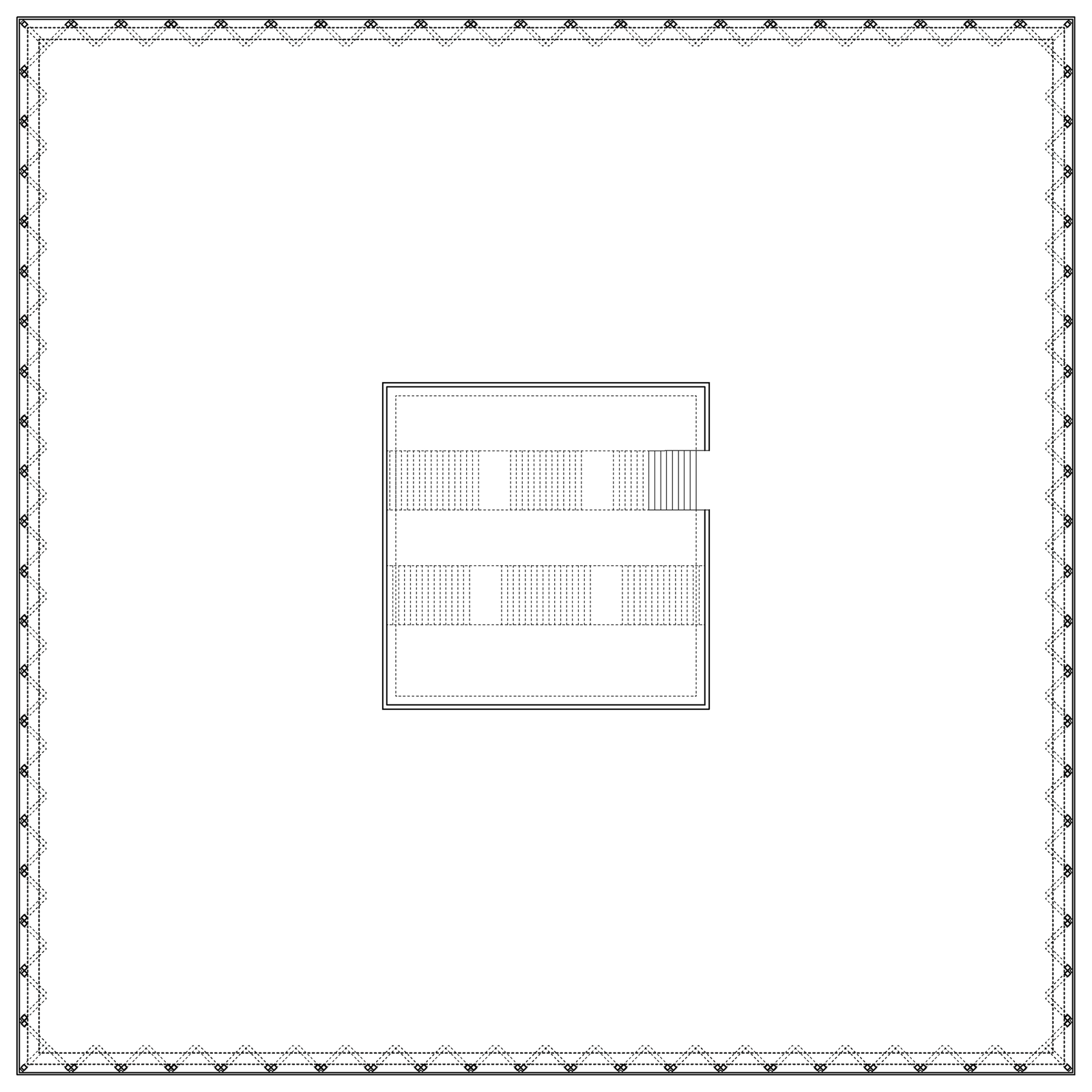
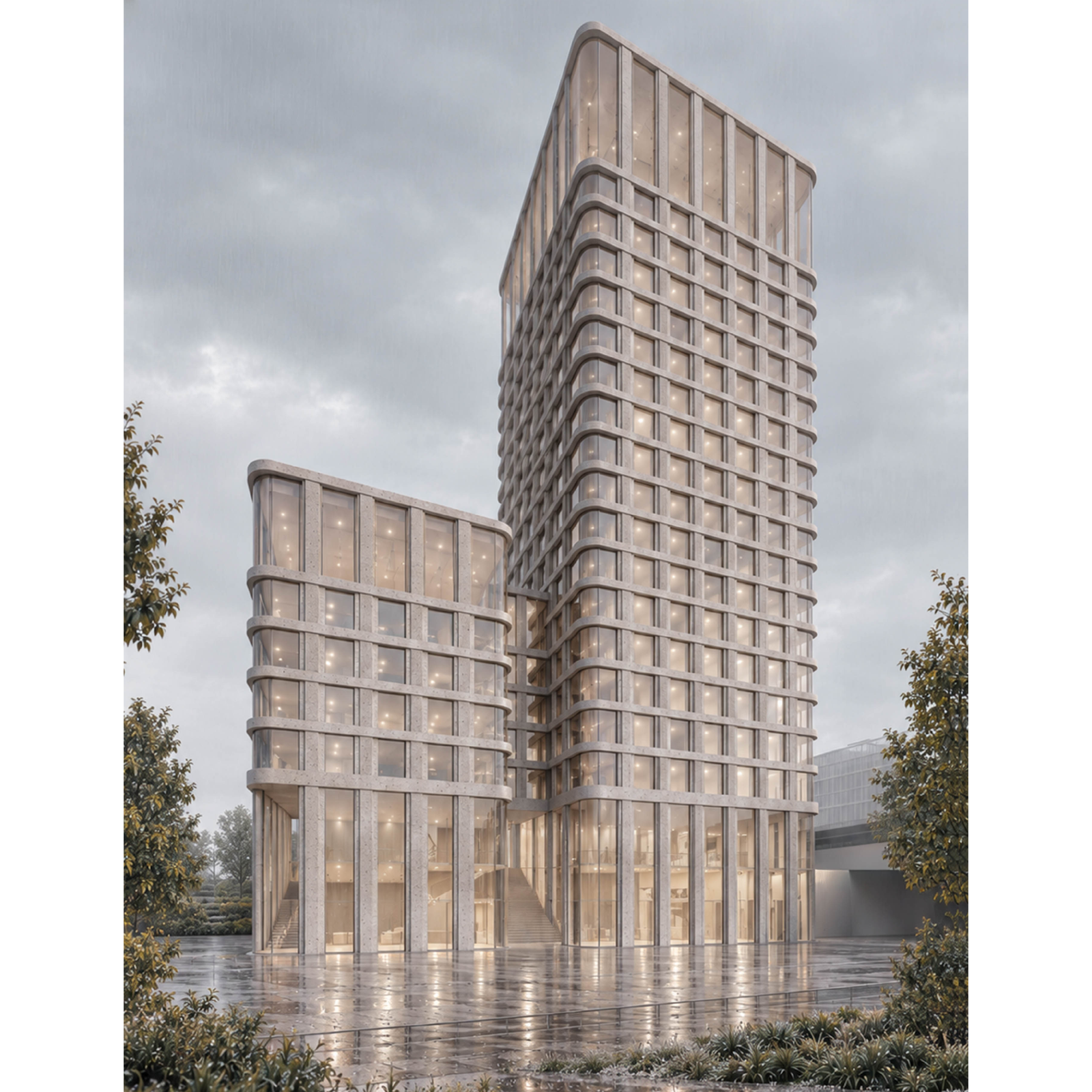
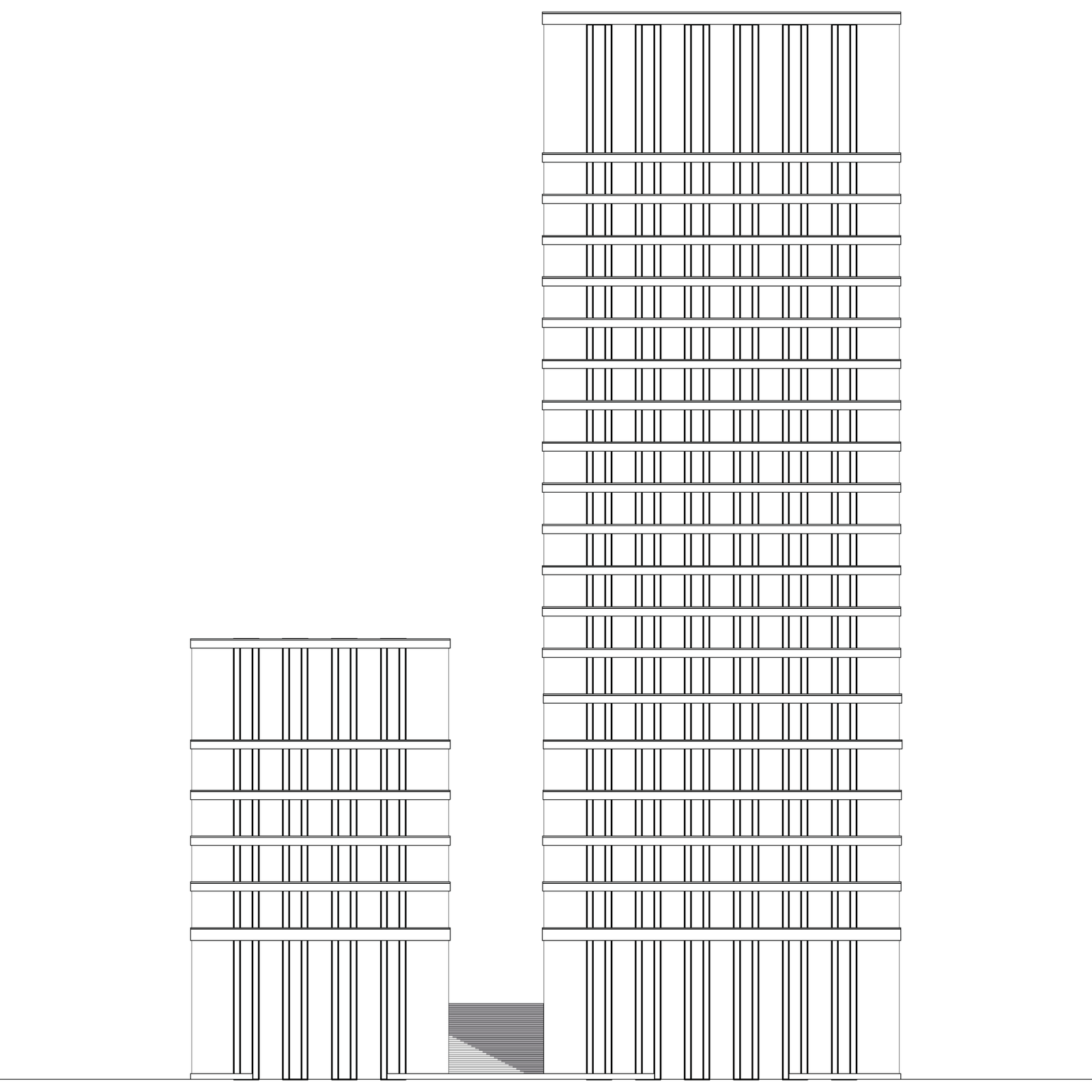
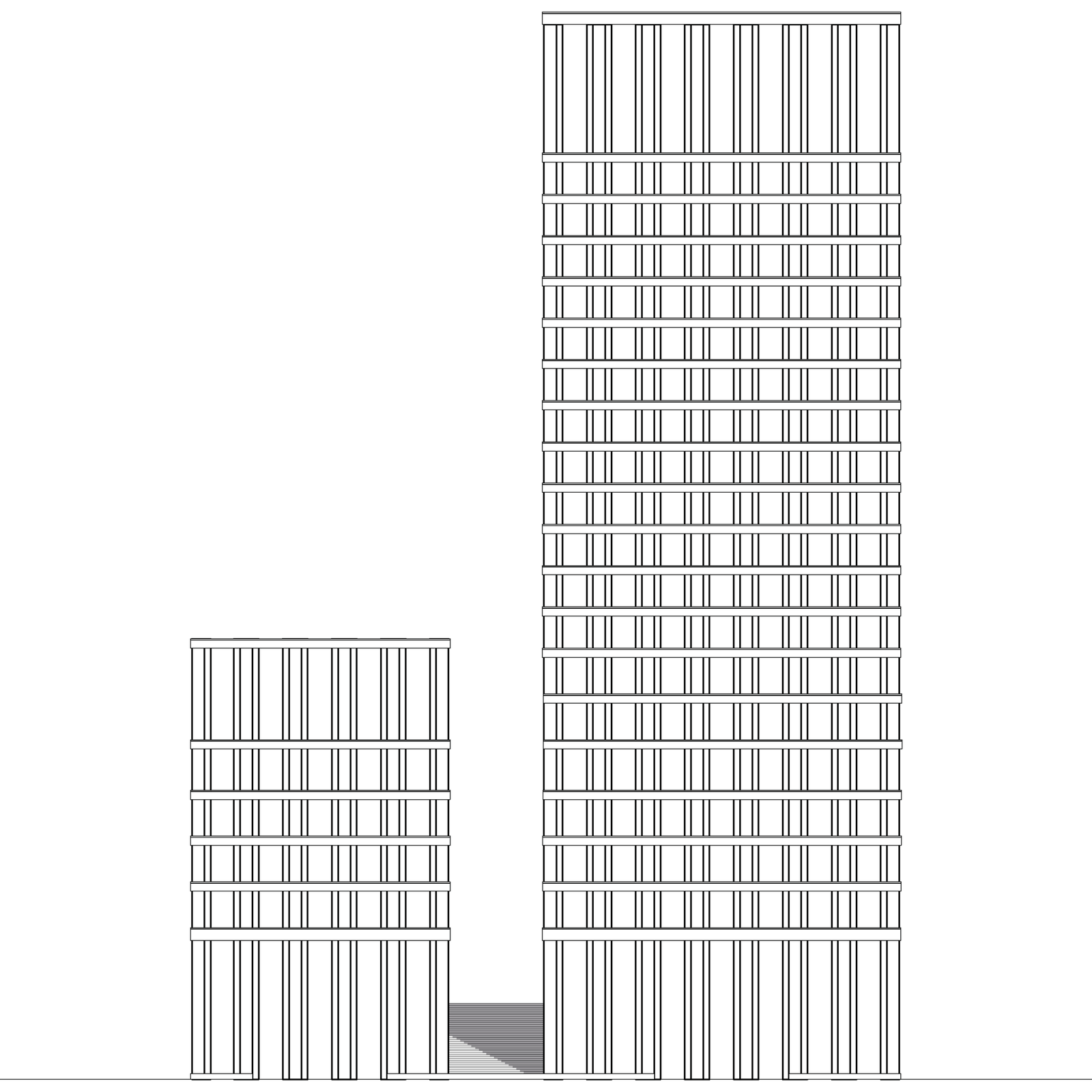
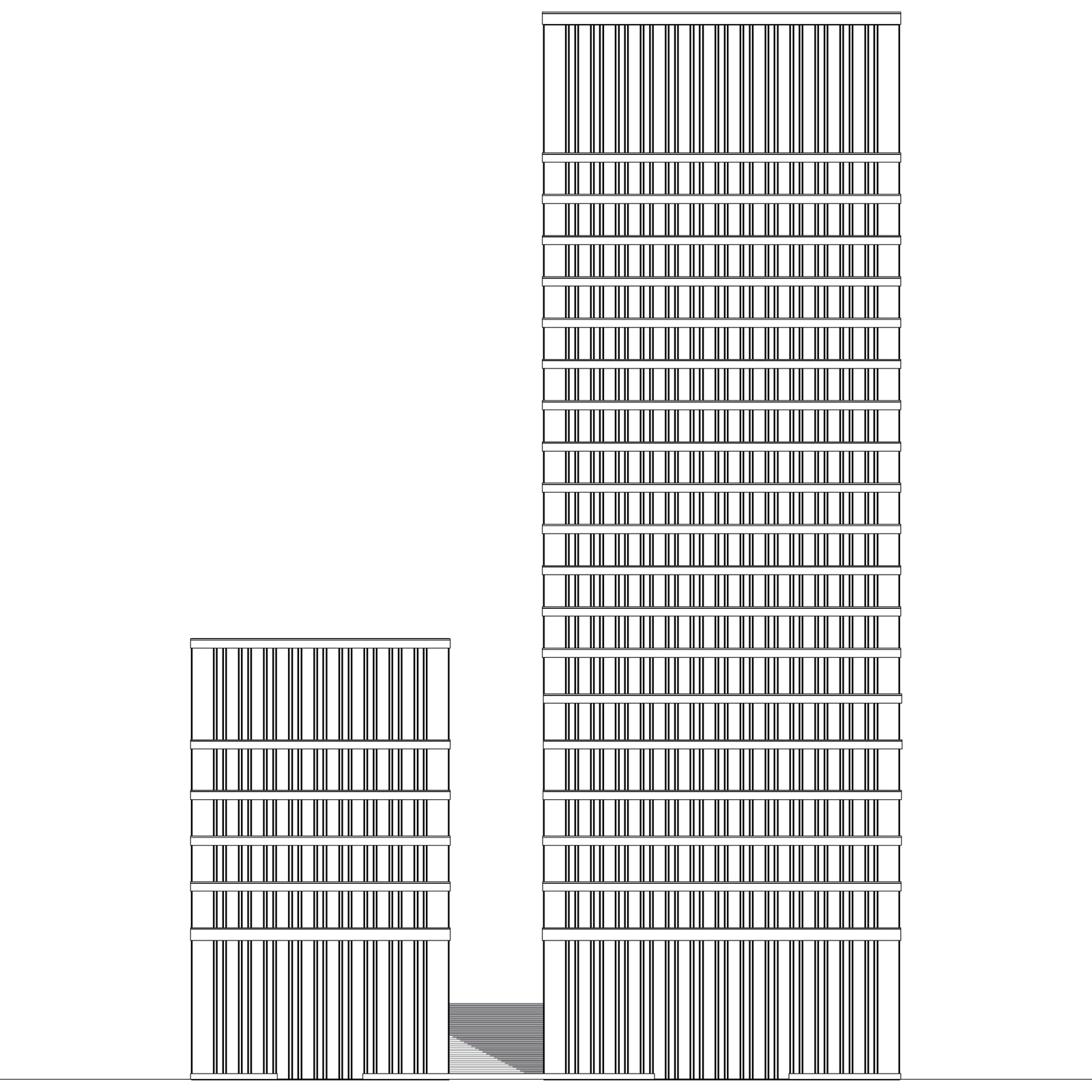
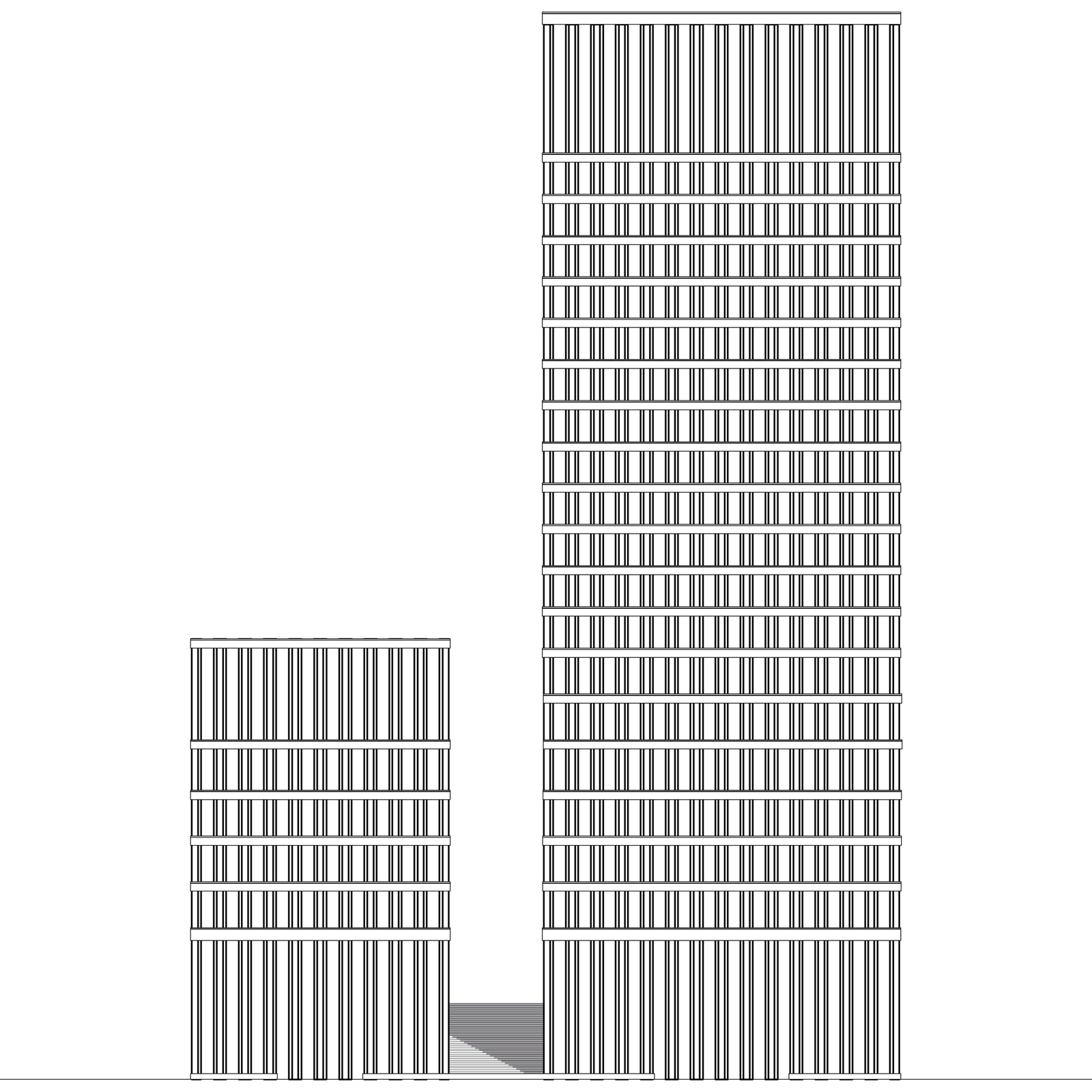
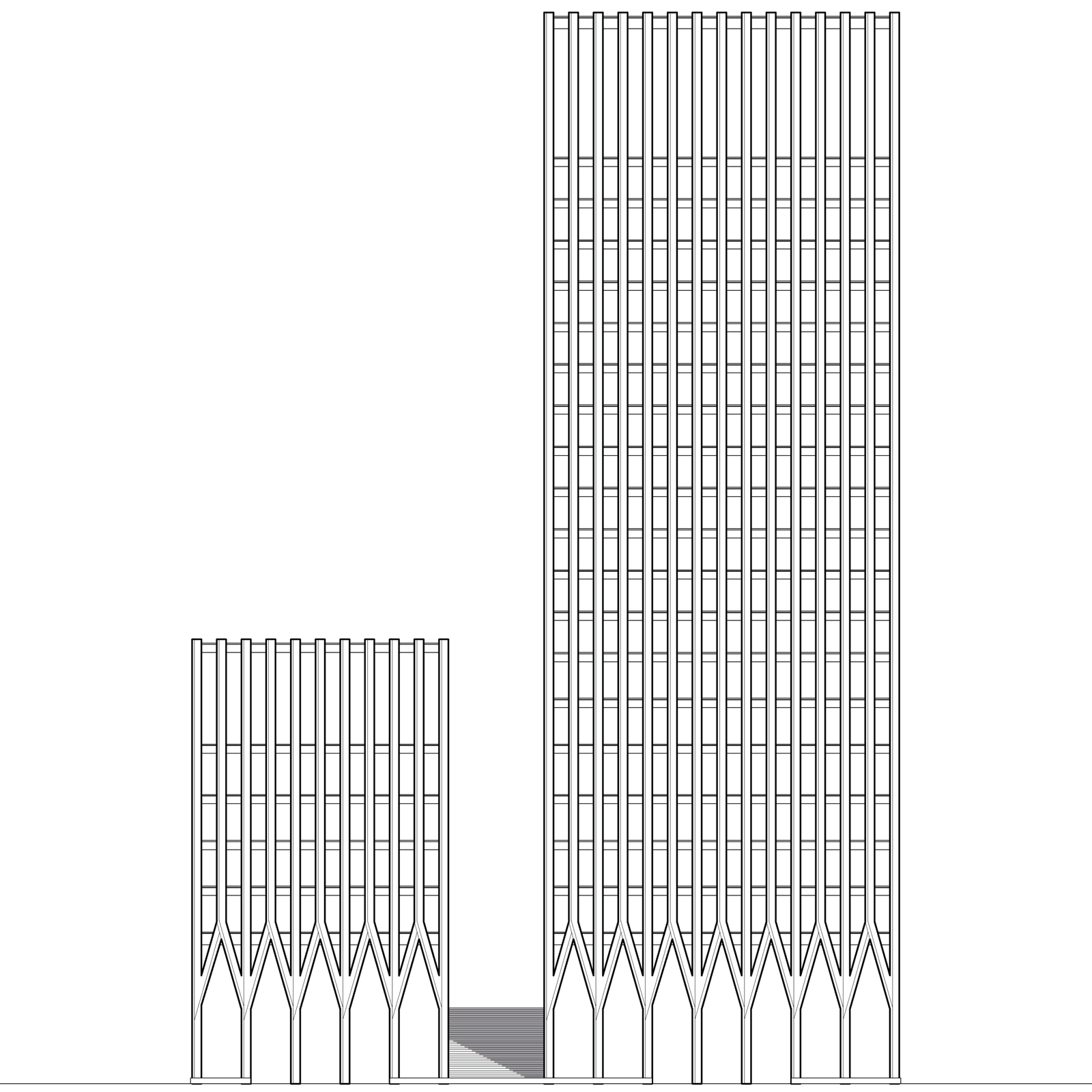
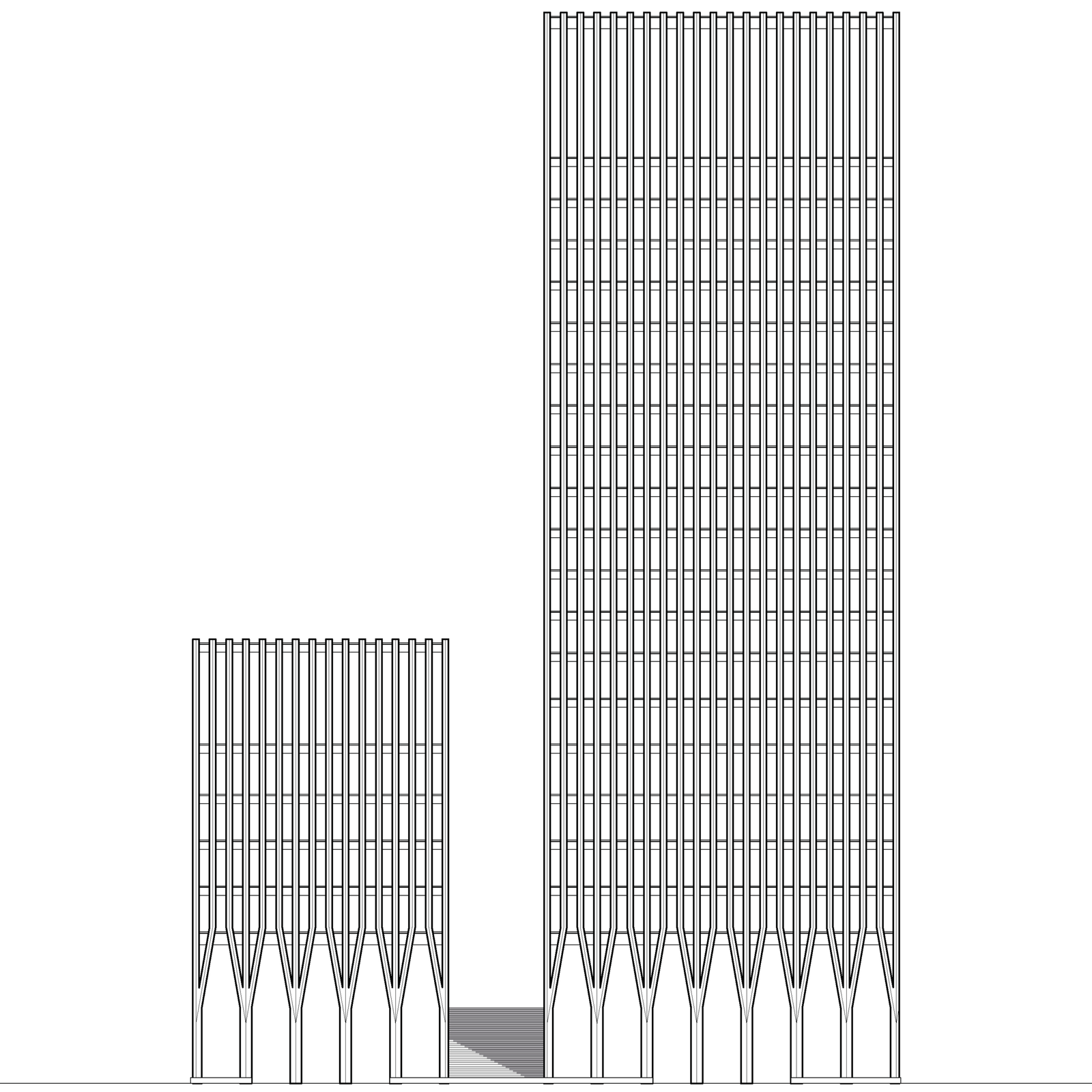
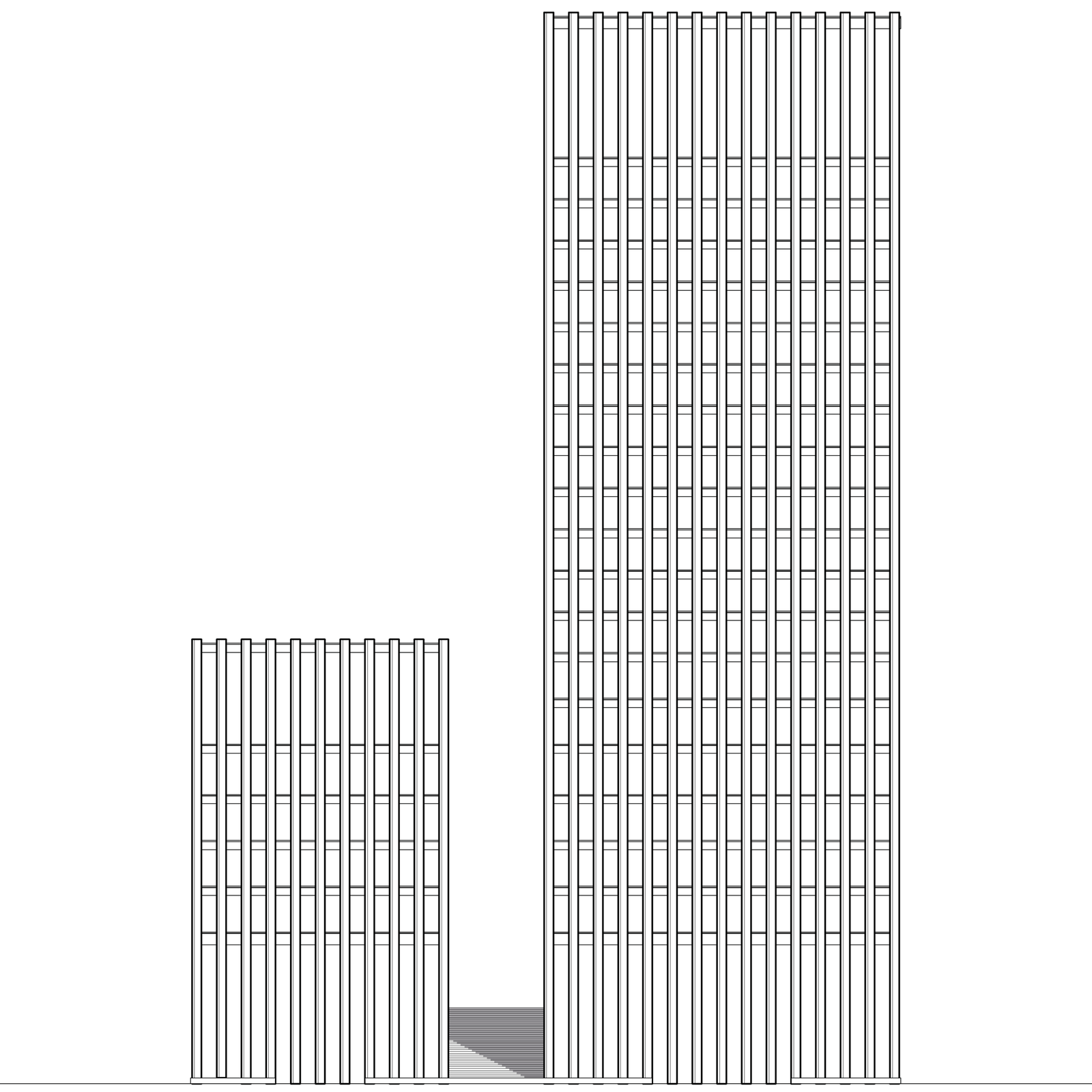
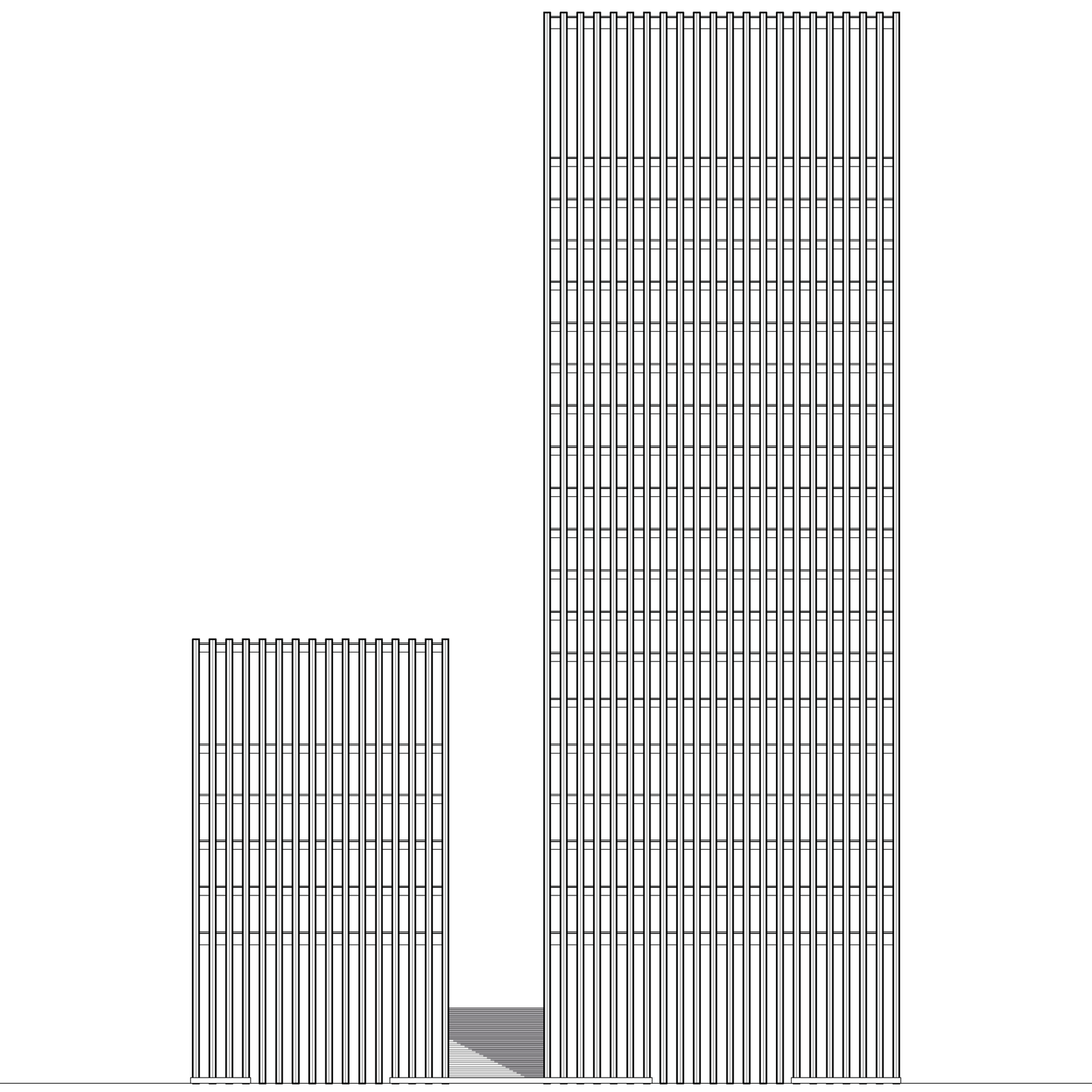
the façade study examines the role of the high-rise building within the urban context of riebeckplatz. a horizontal band façade, drawing inspiration from high-rise buildings of the 1930s, anchors the building in its historical and urban context while also creating a clear visual impact from a distance. the façade and open space are conceived as an integrated system.
head of project: june saul
office: schönborn schmitz architects
project leads: kathrin schmitz, georg schönborn
013


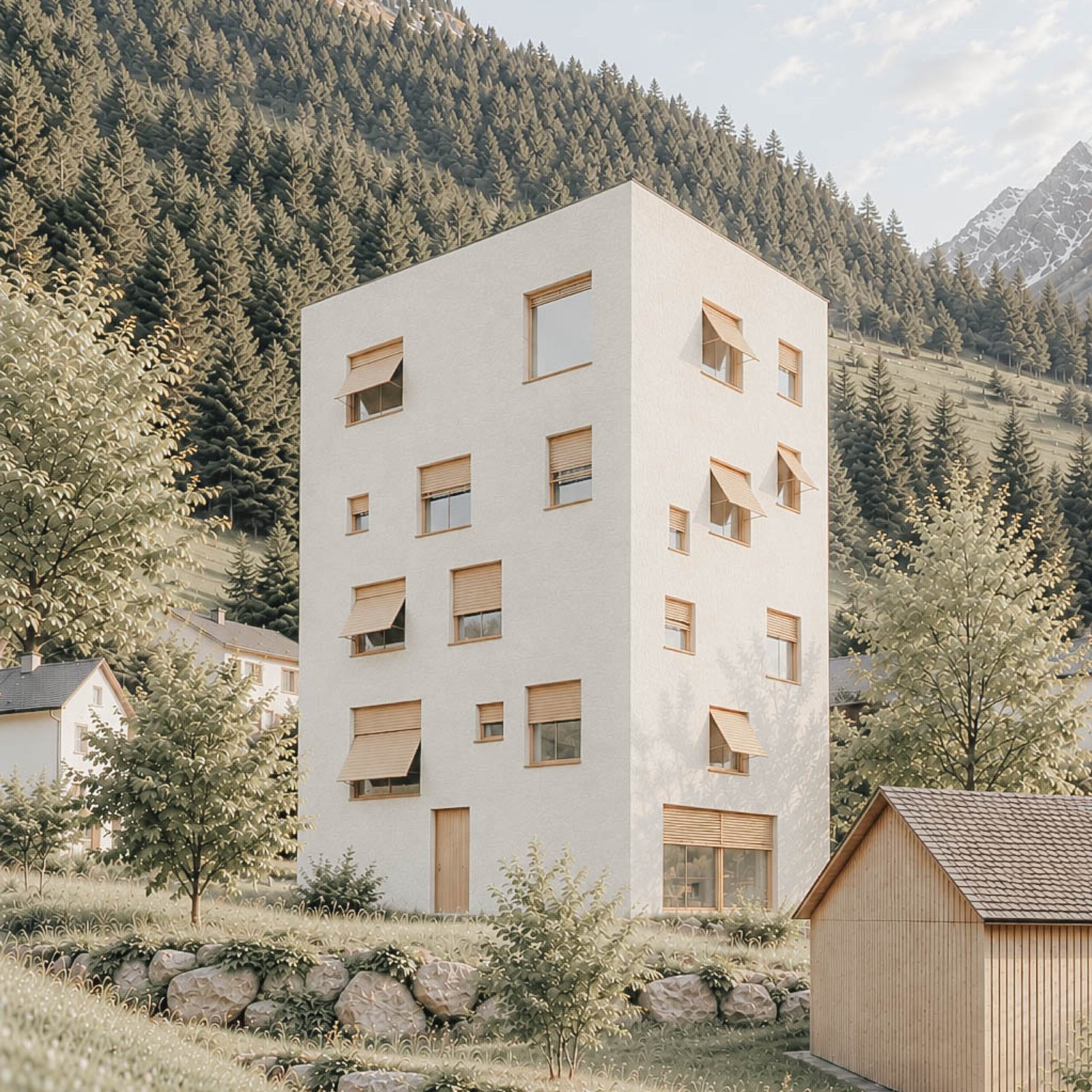
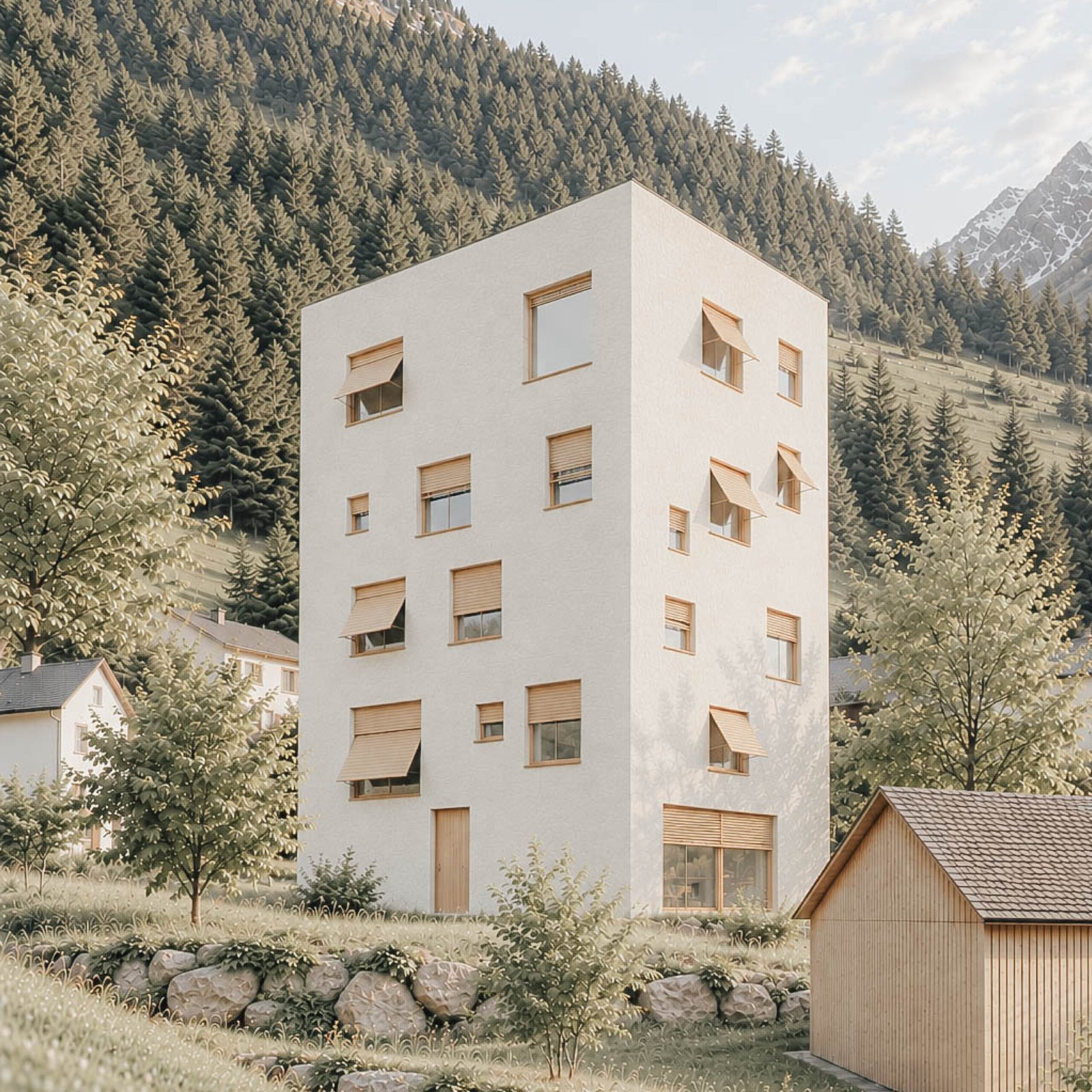
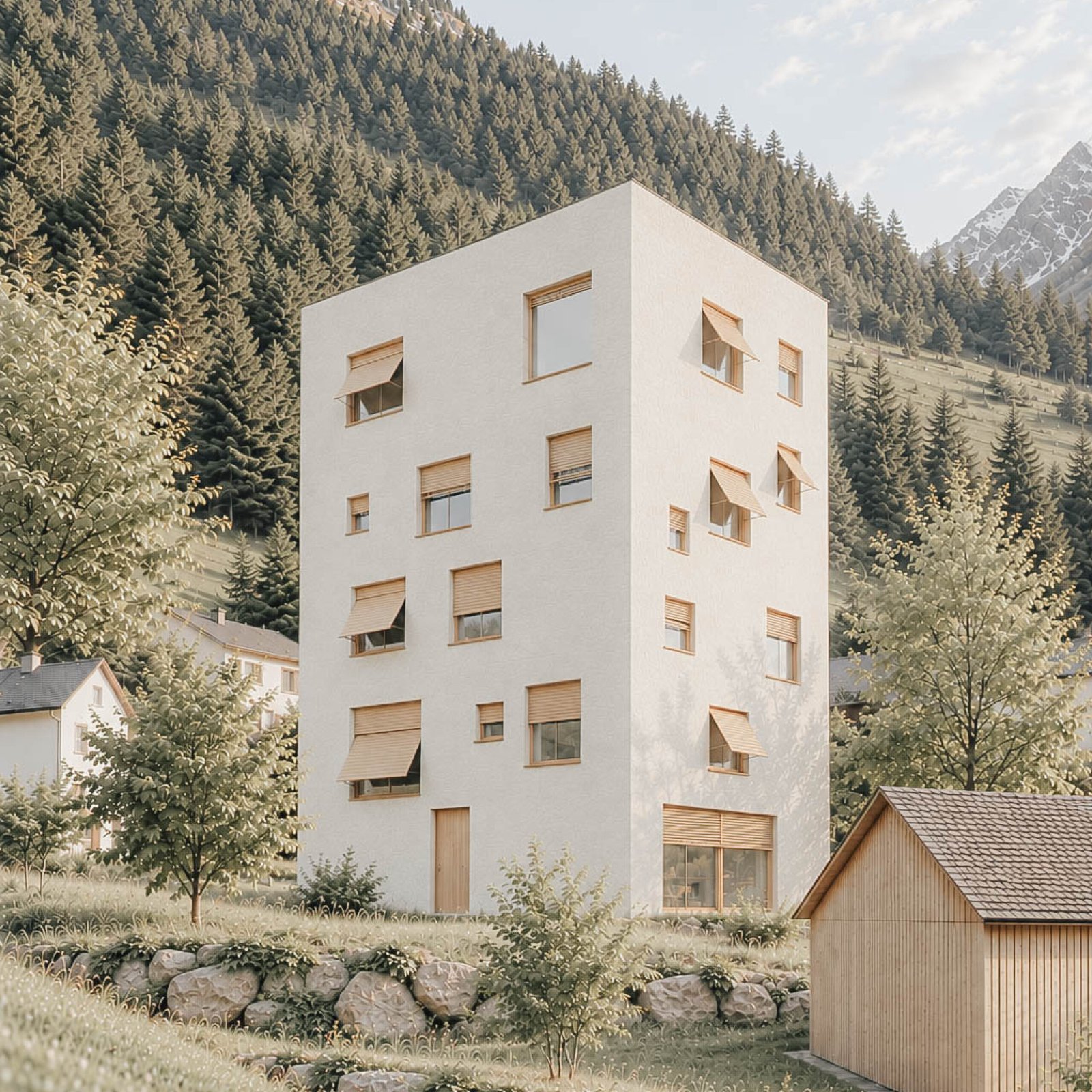
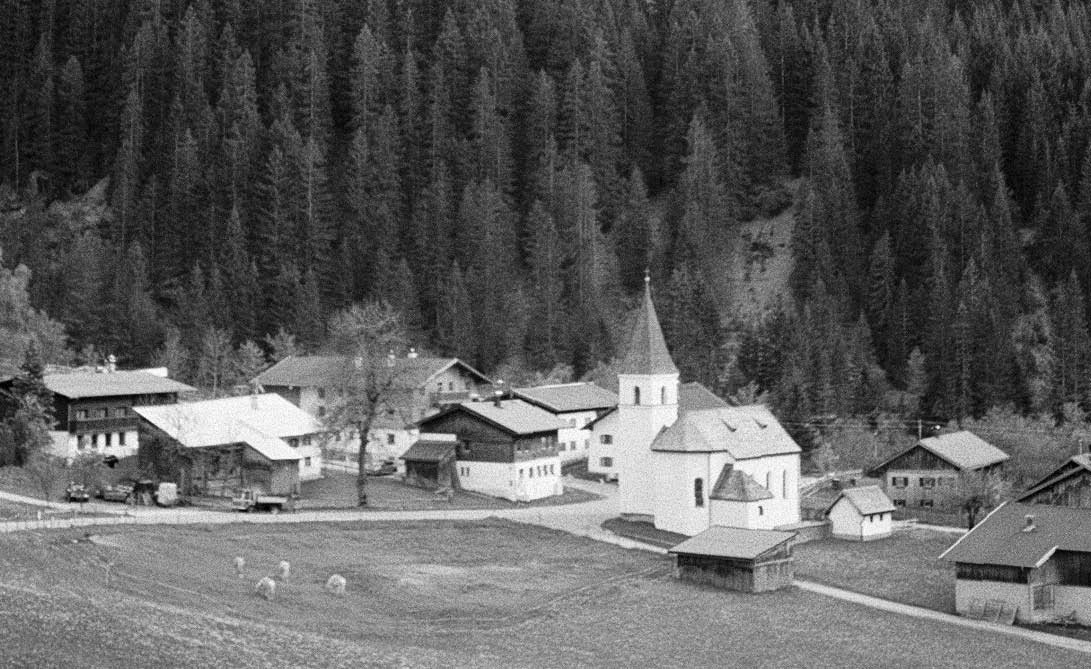
Many rural regions today face similar challenges: vacant properties, out-migration, and the loss of local infrastructure are shaping the development of numerous villages. With the structural changes of the 20th century, jobs were lost, farms disappeared, and the historically established unity of housing, work, and daily life increasingly dissolved. The result is abandoned village centers and a decline in the village’s appeal as a place to live. At the same time, the digital transformation is opening up new possibilities. Location-independent work, flexible work models, and the desire for a better quality of life are leading to a resurgence in the importance of rural areas. The question is no longer whether the village has a future, but how that future can be shaped.
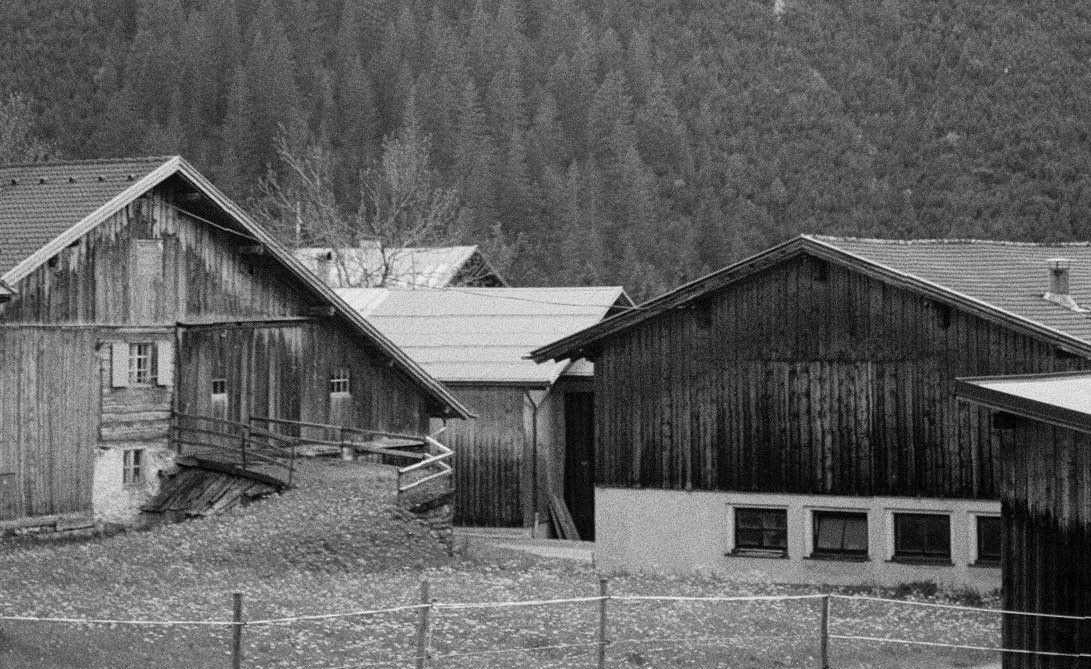
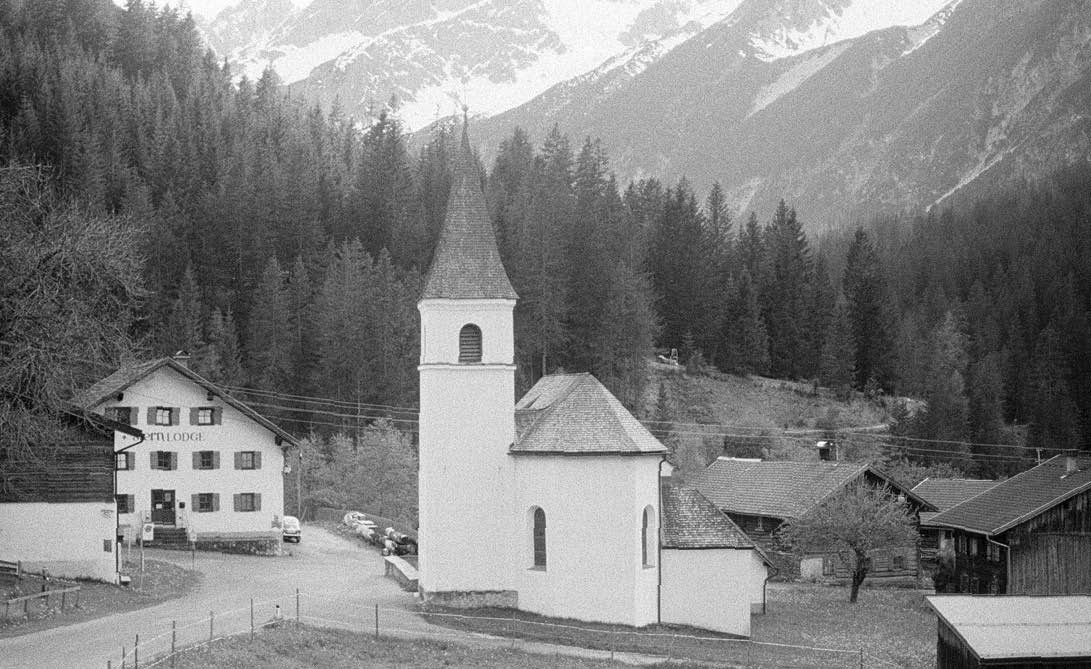
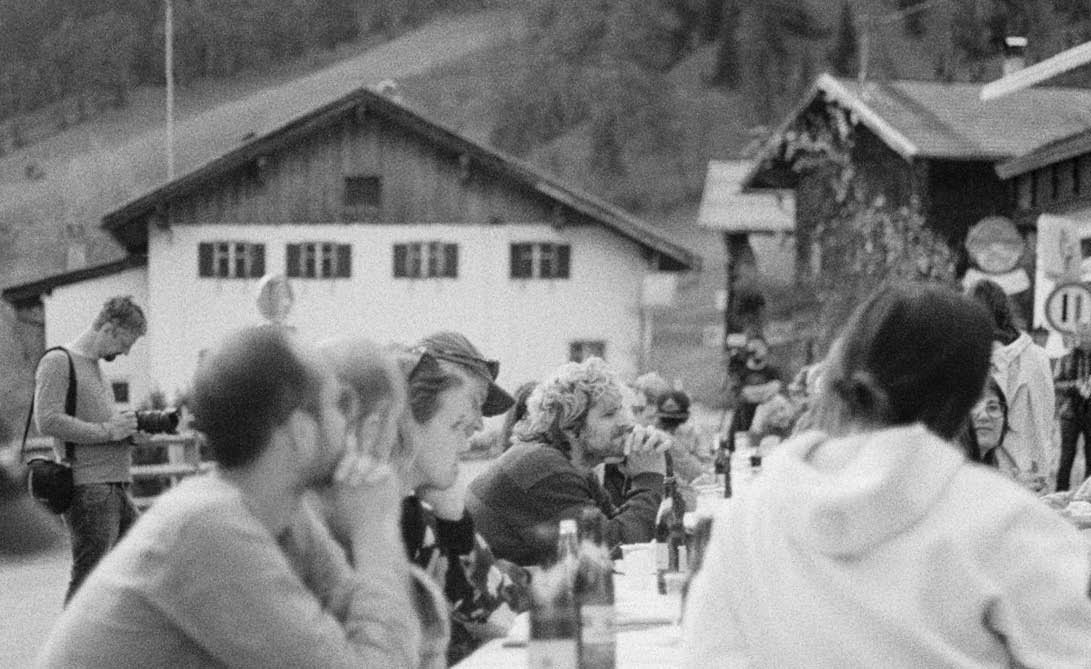
The Bschlabertal valley in the Tyrolean Außerfern region serves as a case study for exploring what a sustainable model of communal life in rural areas might look like. At the heart of the project is the idea of reinterpreting the lost connection between living, working, and community and spatially reuniting them. Instead of building new single-family housing developments on the outskirts of town, the project focuses on revitalizing existing structures in the town center. Vacant buildings are viewed as a resource and repurposed for new uses. Flexible housing options, co-working spaces, communal workshops, and cultural and social gathering places create a network of living, working, and socializing. Short distances, shared spaces, and the revitalization of existing structures foster a vibrant village life and create new opportunities for people of all ages.
The project views the village not as a counter-model to the city, but as an independent space for the future. The goal is to develop a usage concept that revitalizes the town center, strengthens social relationships, and enables new forms of communal living and working. This creates a sustainable model for rural areas that harnesses existing potential and opens up new long-term prospects for the town.
Head of project: June Saul
STUDIO Profesor: Bernardo Barder
008


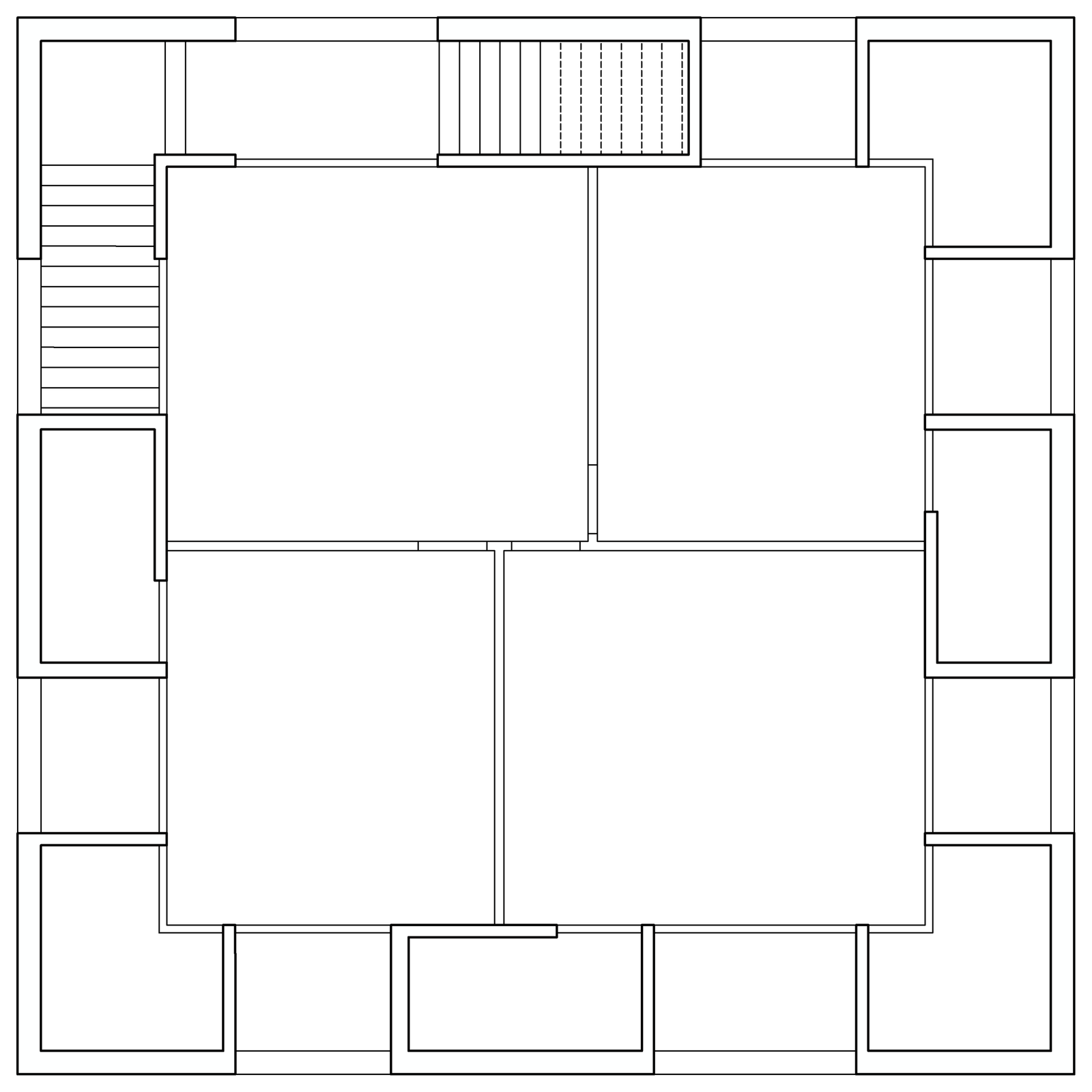
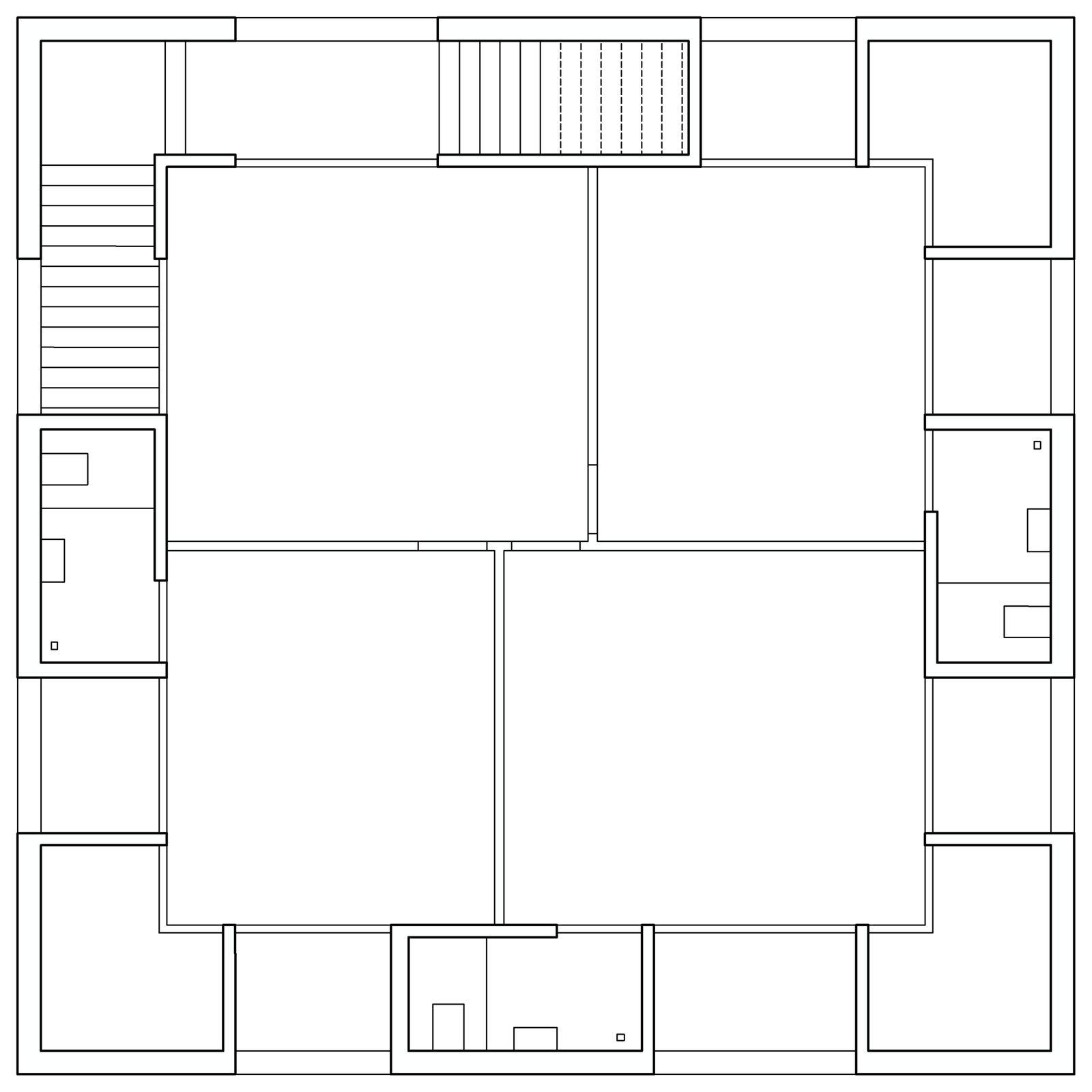
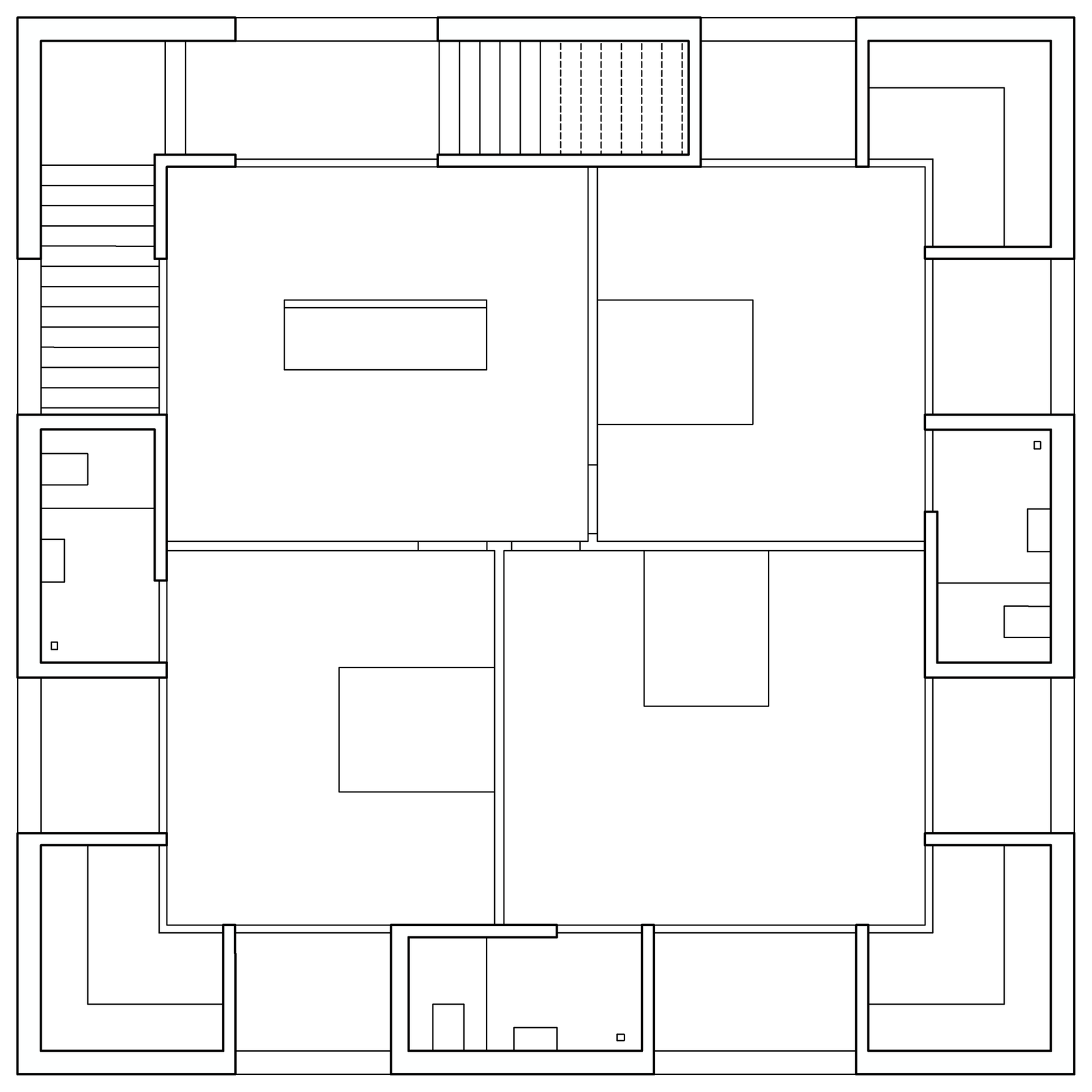
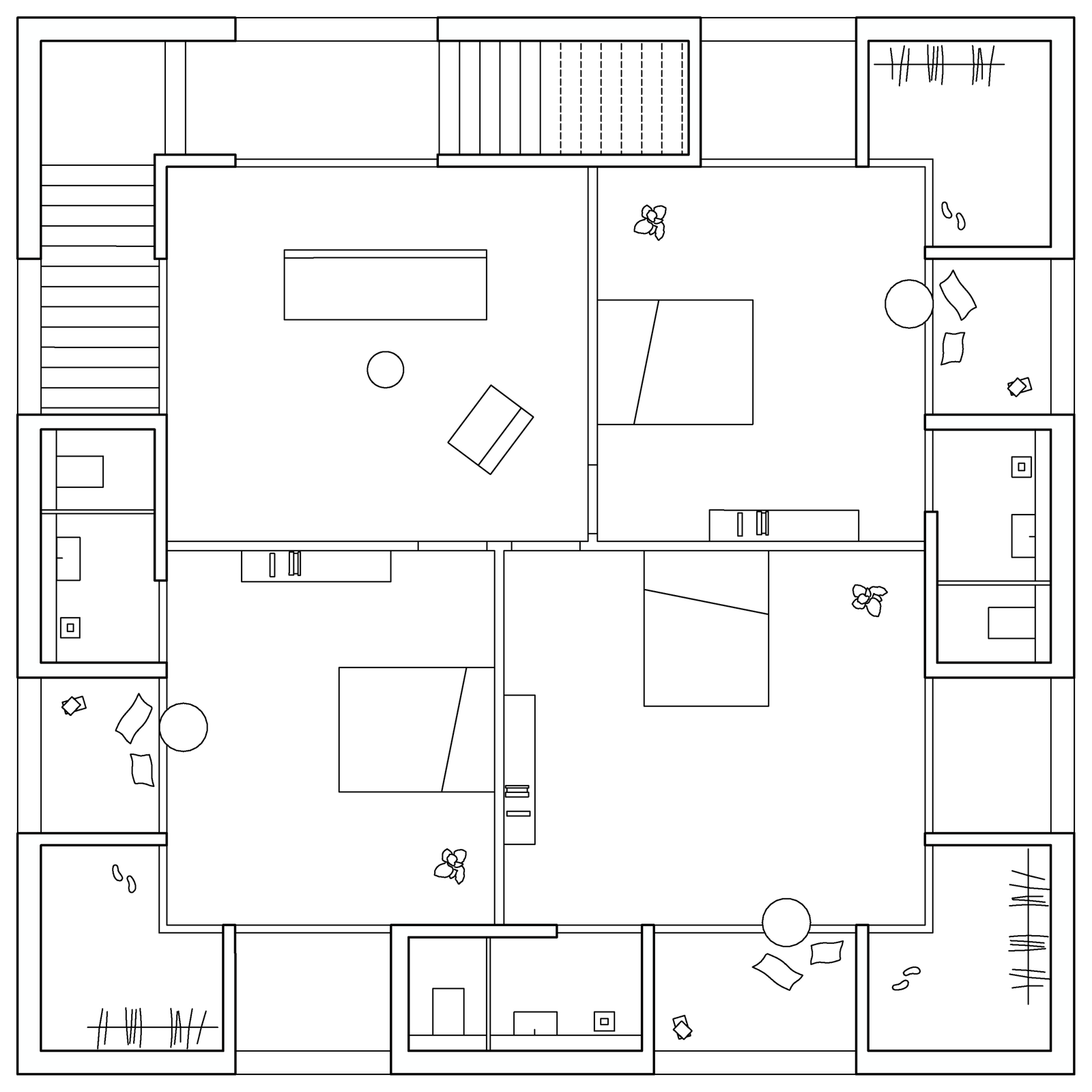
‚A place where nothing happens.‘
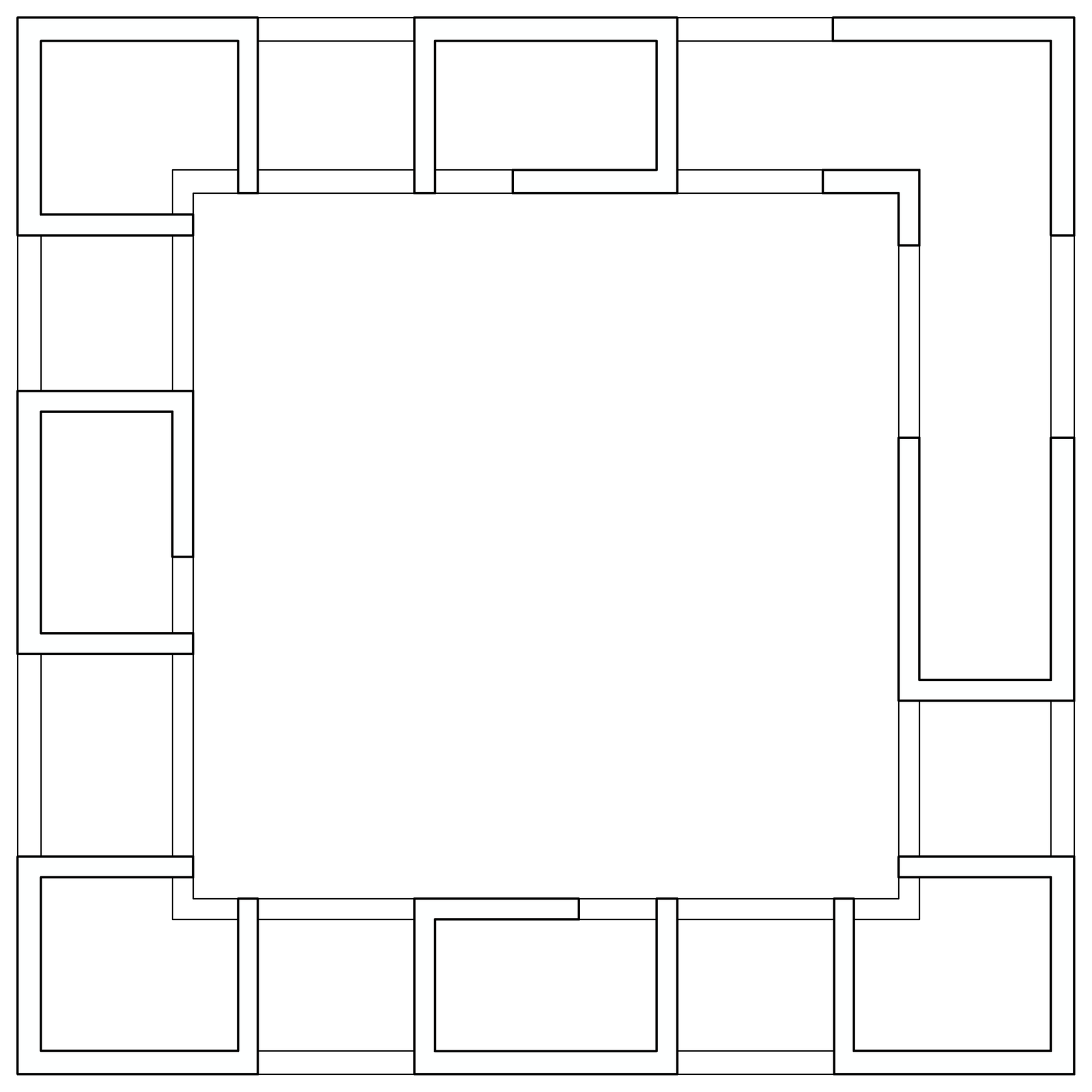
There is a trend emerging between the growing desire for rural living and the issue of depopulation in small communities. The project creates an appealing living and working environment. Instead of conventional floor plans, the residential concept is based on nomadic living, inspired by urban life.
Head of project: June Saul
STUDIO Profesor: Bernardo Barder
009


Consumers high quality standards mean that a significant portion of food ends up as waste.
The problem is not scarcity, but rather a lack of mindful engagement with the product in everyday life. This is precisely where the design comes in. The goal is to make the central process of food recycling in the market hall visible and understandable. Questions of storage, use, shelf life, and origin are not merely explained but made spatially tangible.
‚Circle‘ is conceived as a self-contained system. The food cycle forms the structural center of the market hall and is designed as an independent, clear, and transparent unit. A primary structure defines this central process and makes it legible as spatial logic. It is complemented by a secondary, modular structure that accommodates various functional areas for processing and use. The daily market activity unfolds around these two systems. The market hall thus becomes a place where cycles not only take place but also become visible as a spatial foundation for a more conscious approach to food.
Head of project: June Saul
STUDIO Profesor: Carlo Baumschlager
005


Open, two-stage anonymous competition
Center for the Future of German Unity and European Transformation Halle (Saale), Germany
represented by the Federal Republic of Germany, Urban Development and Building.
Head of project: June Saul
Office: GKL architects
Project Leads: Johannes Löbbert, Johan Kramer
Landscape Architecture: bbz landschaftsarchitekten berlin gmbh bdla
010


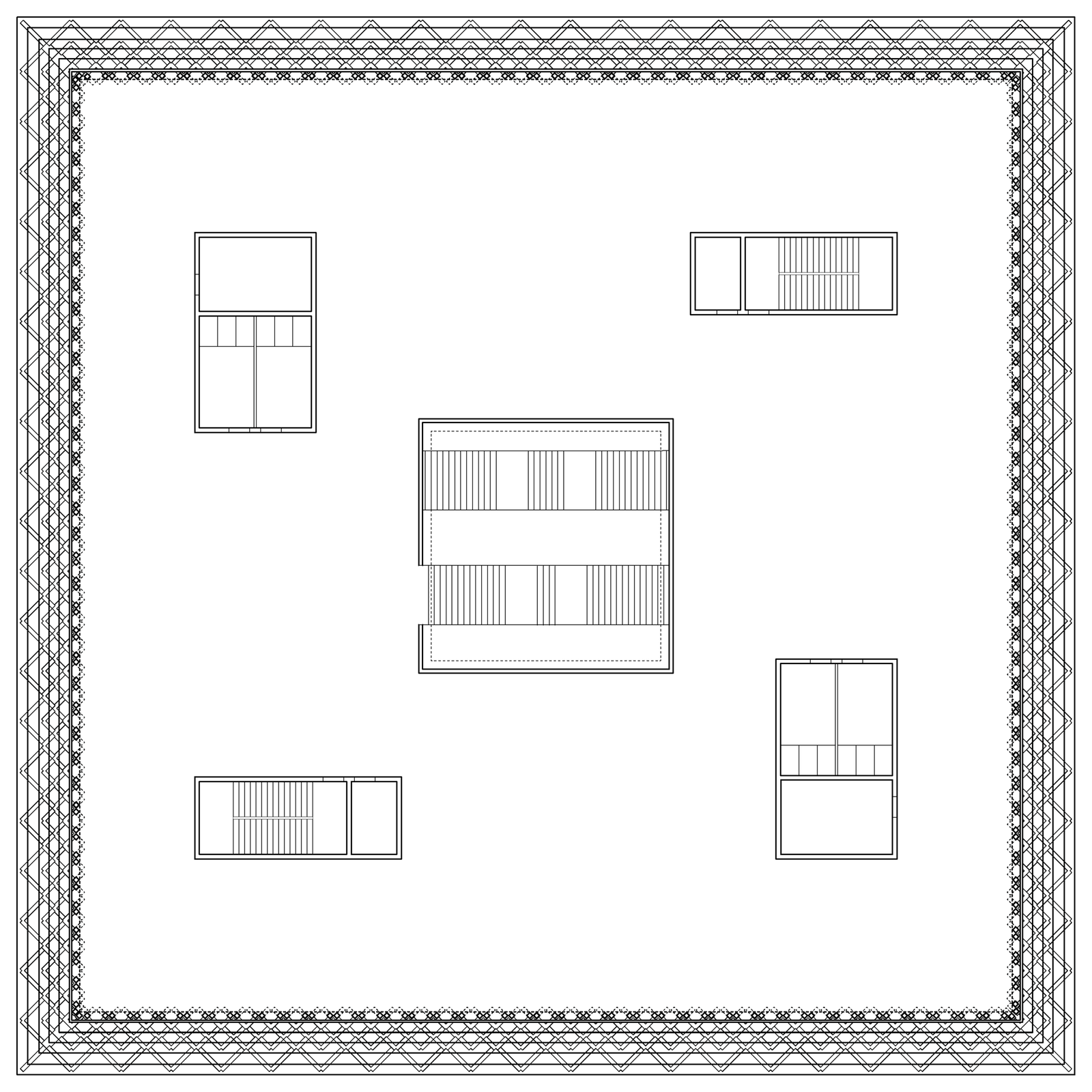
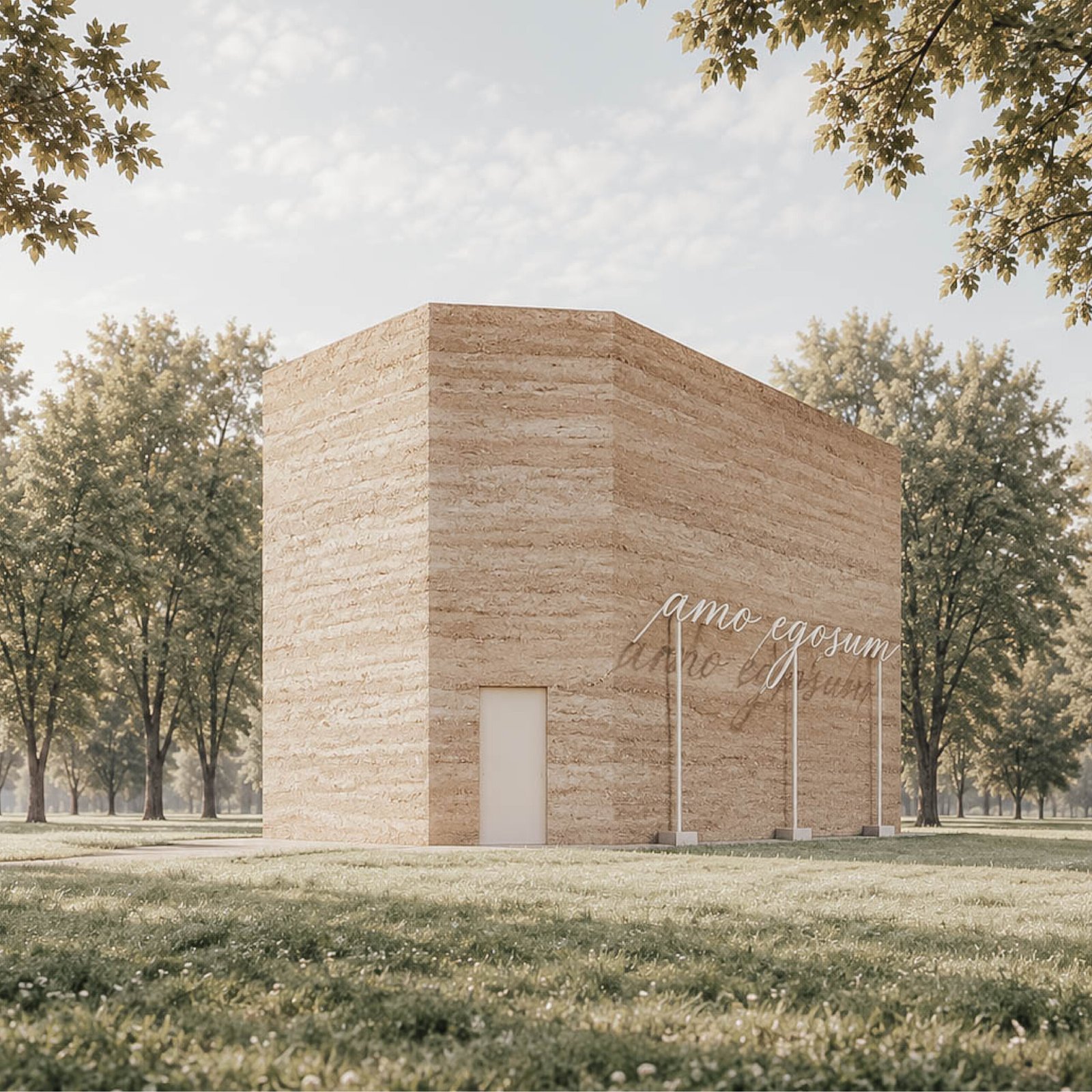
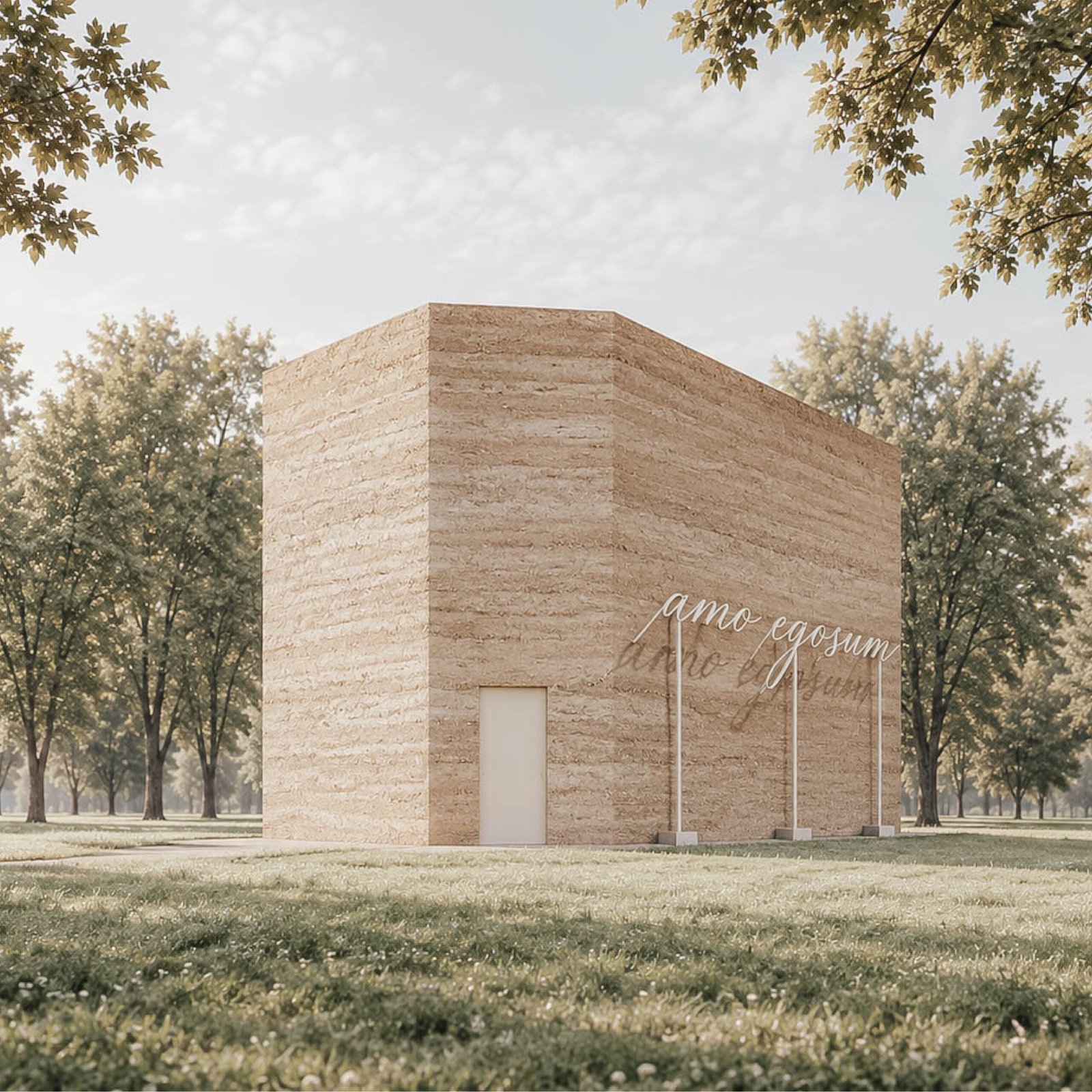
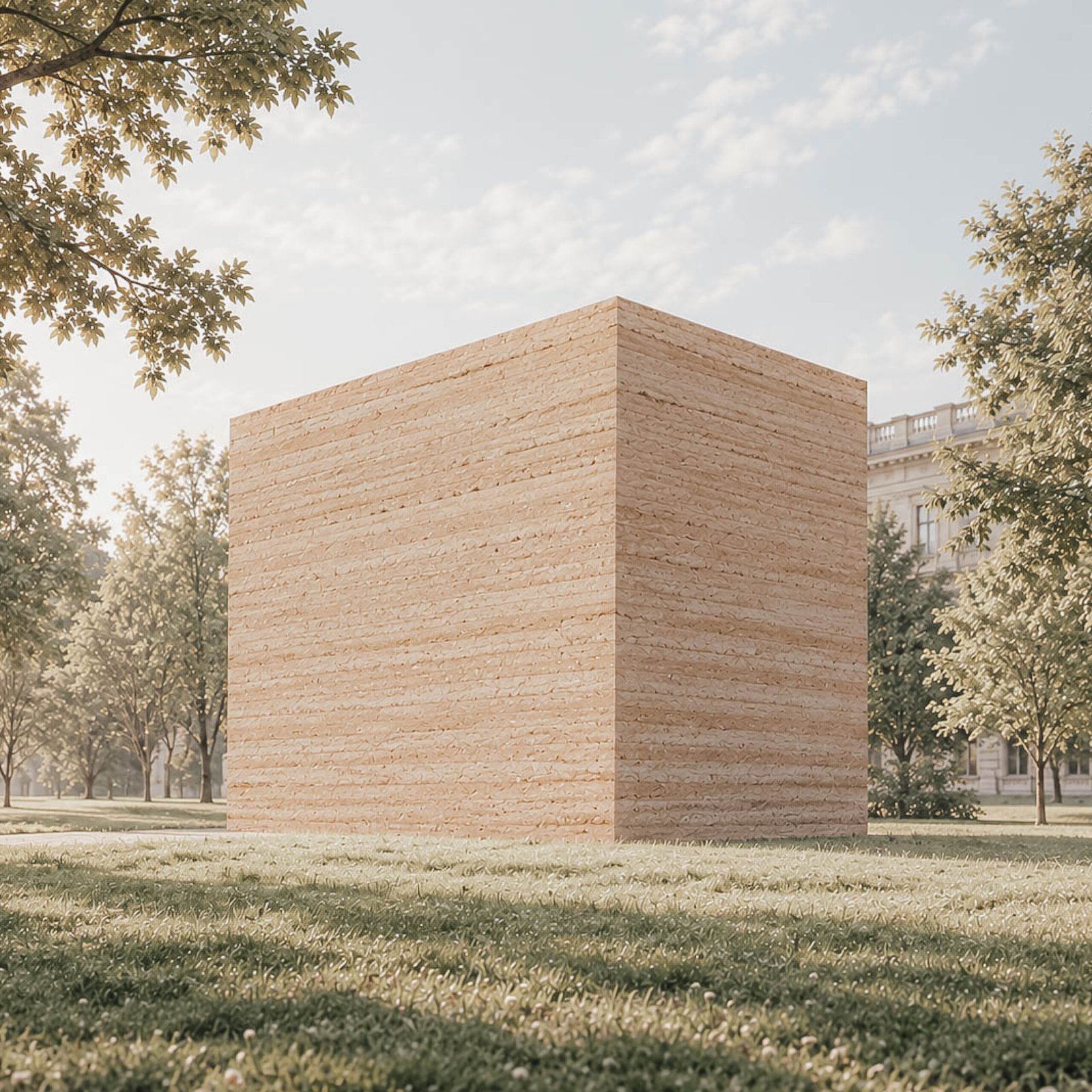
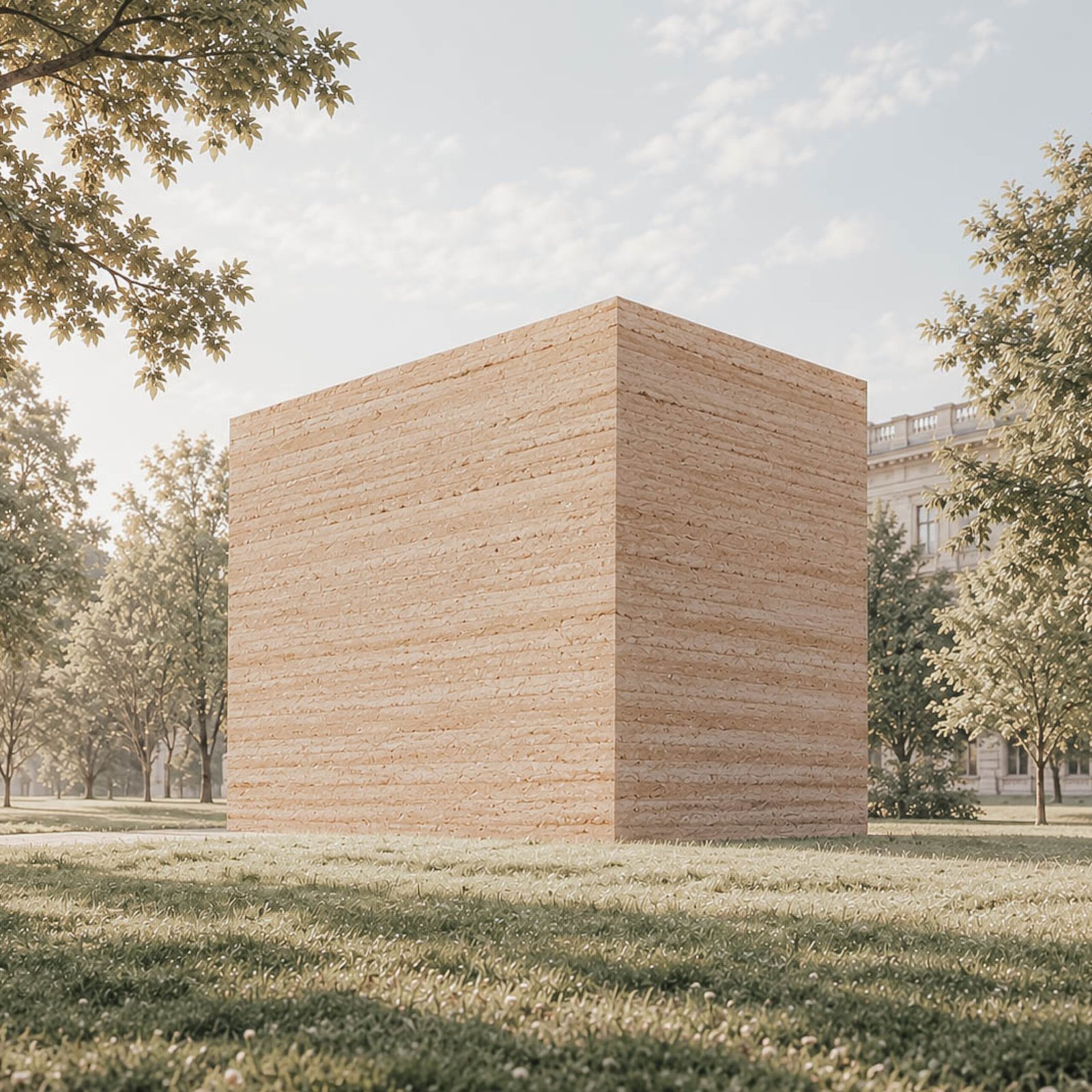
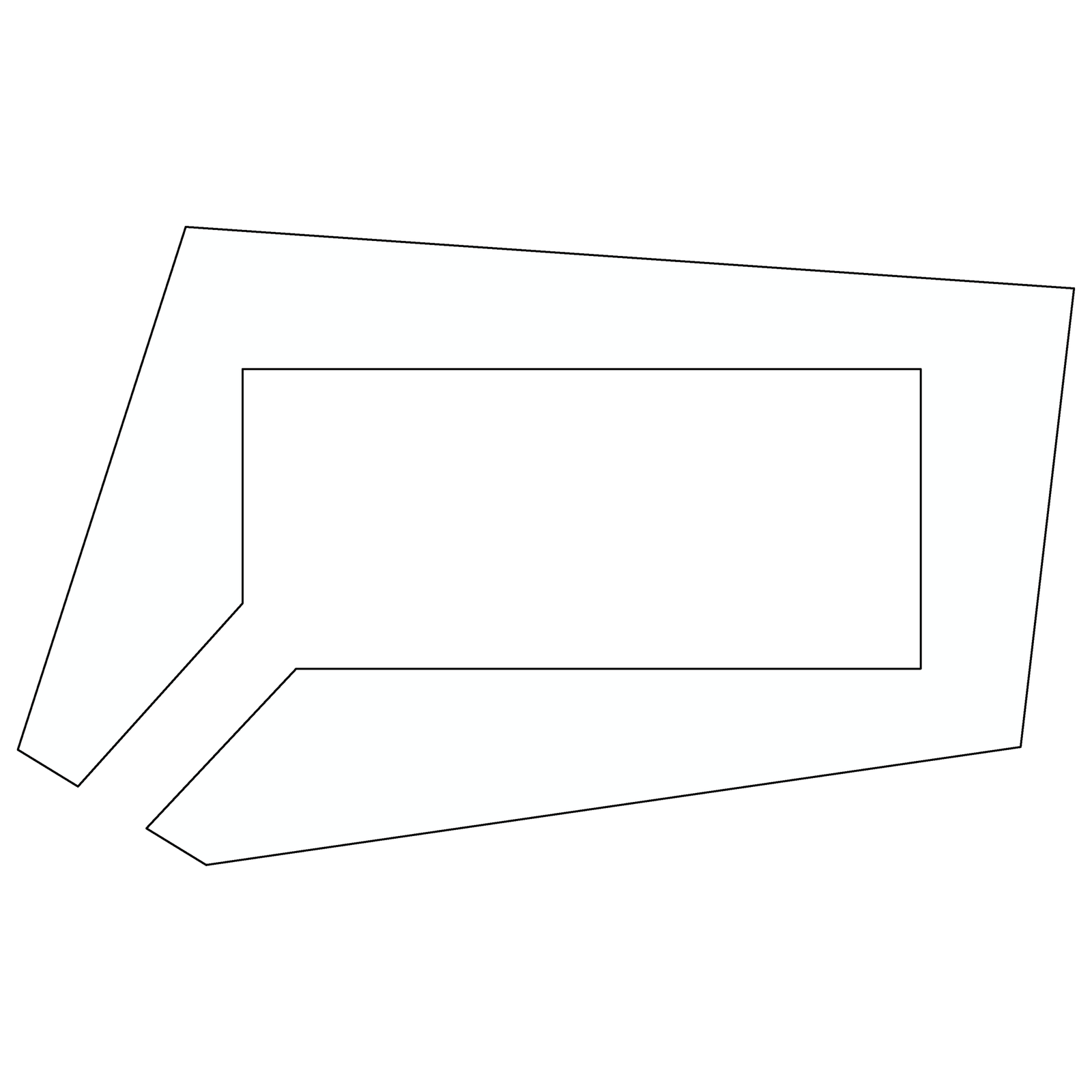
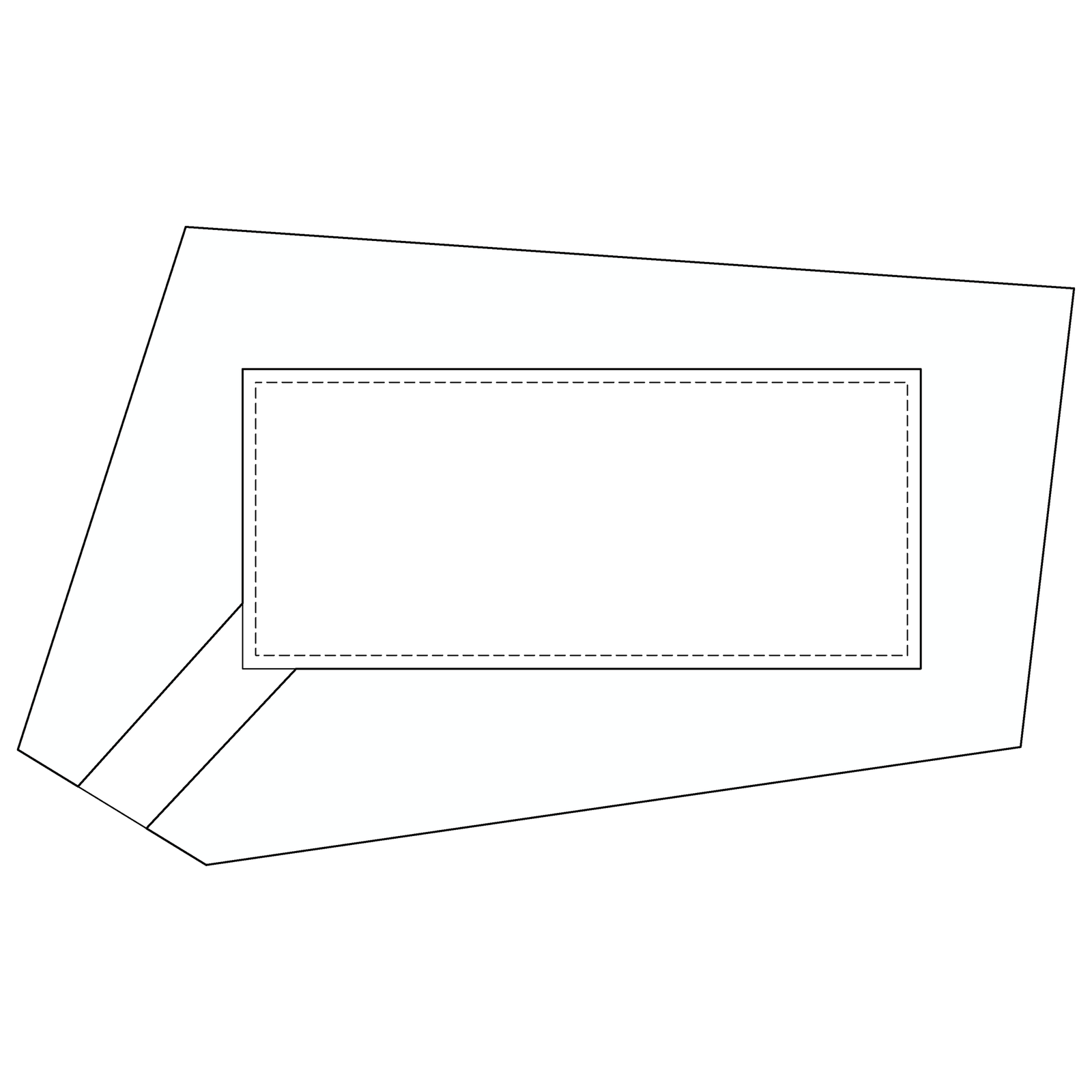
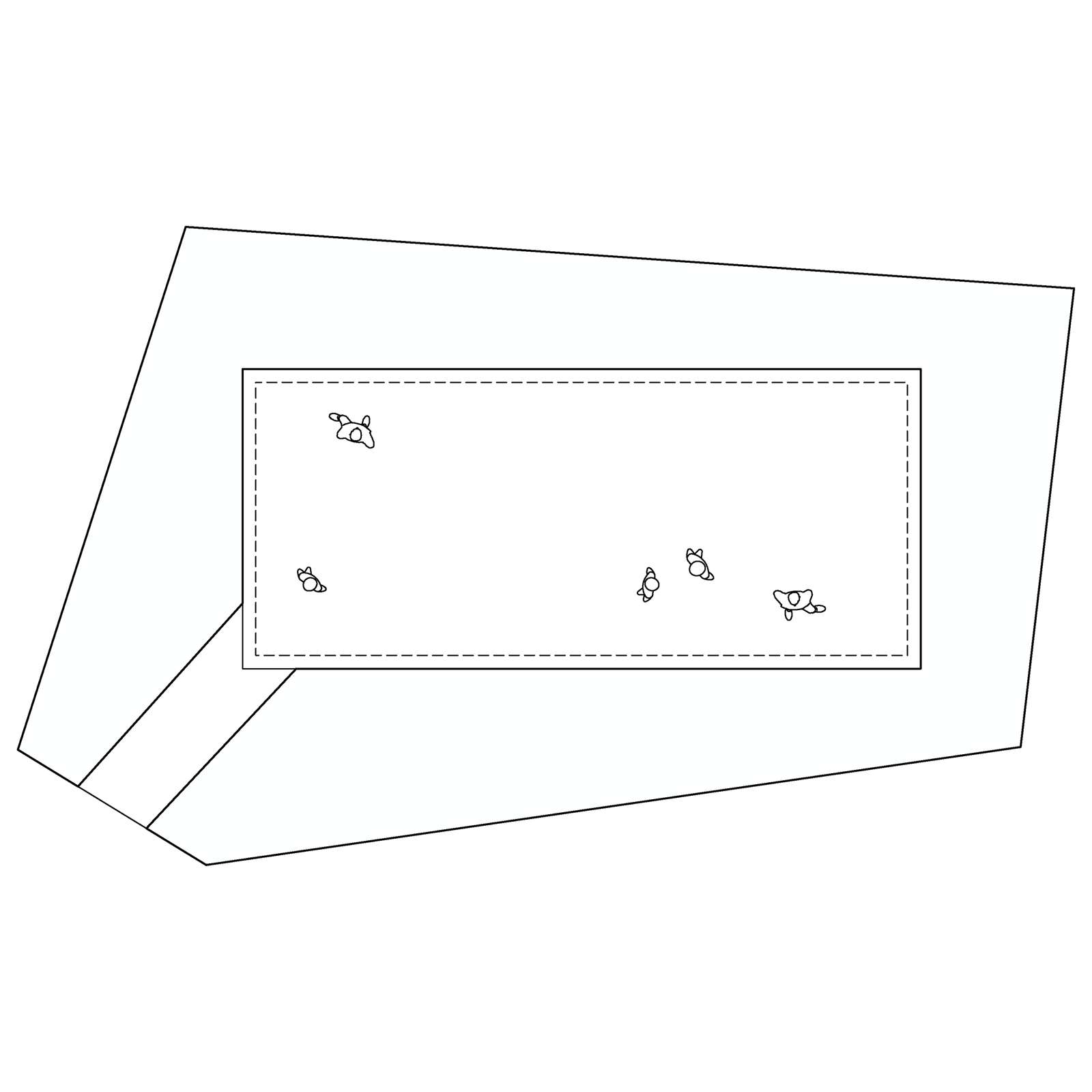
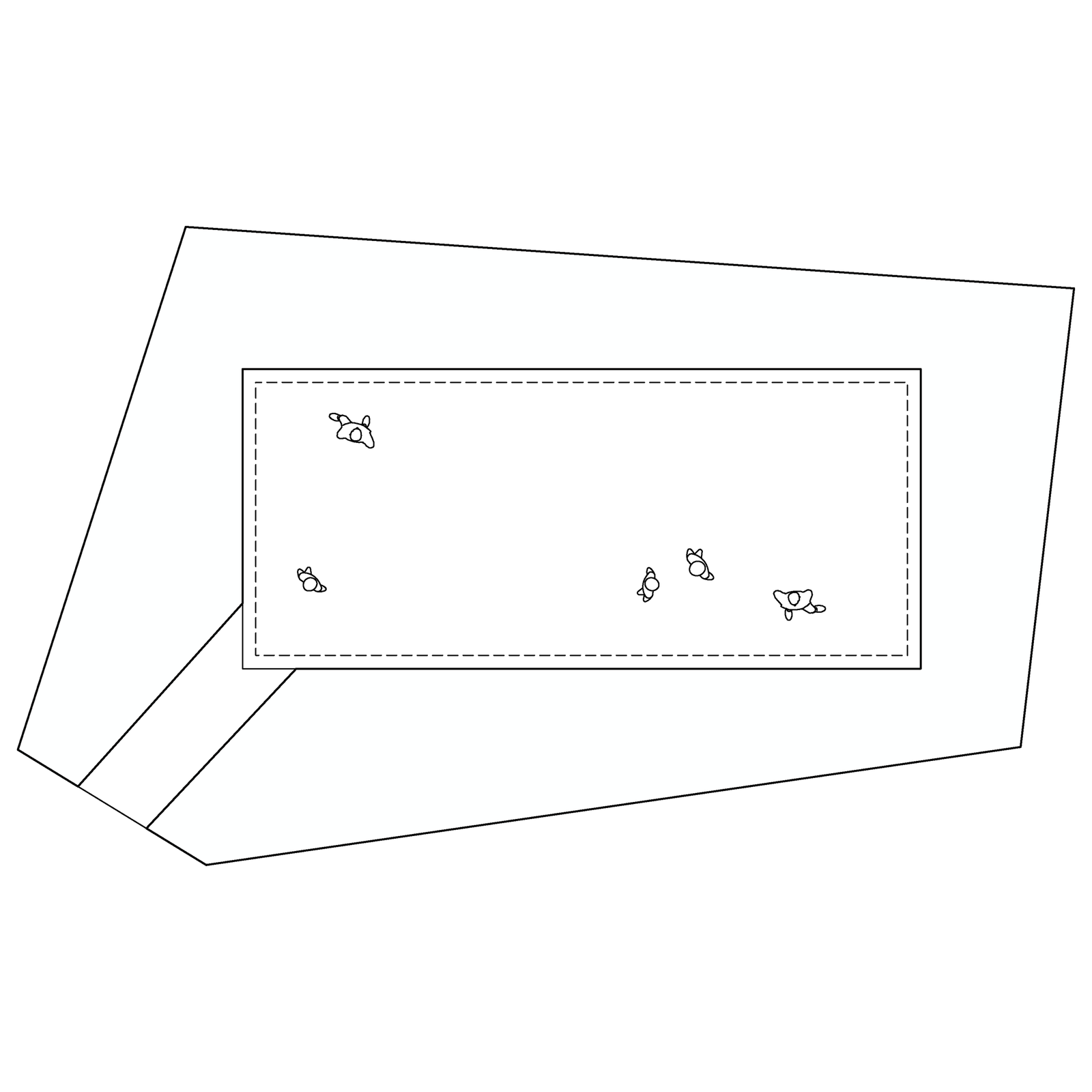
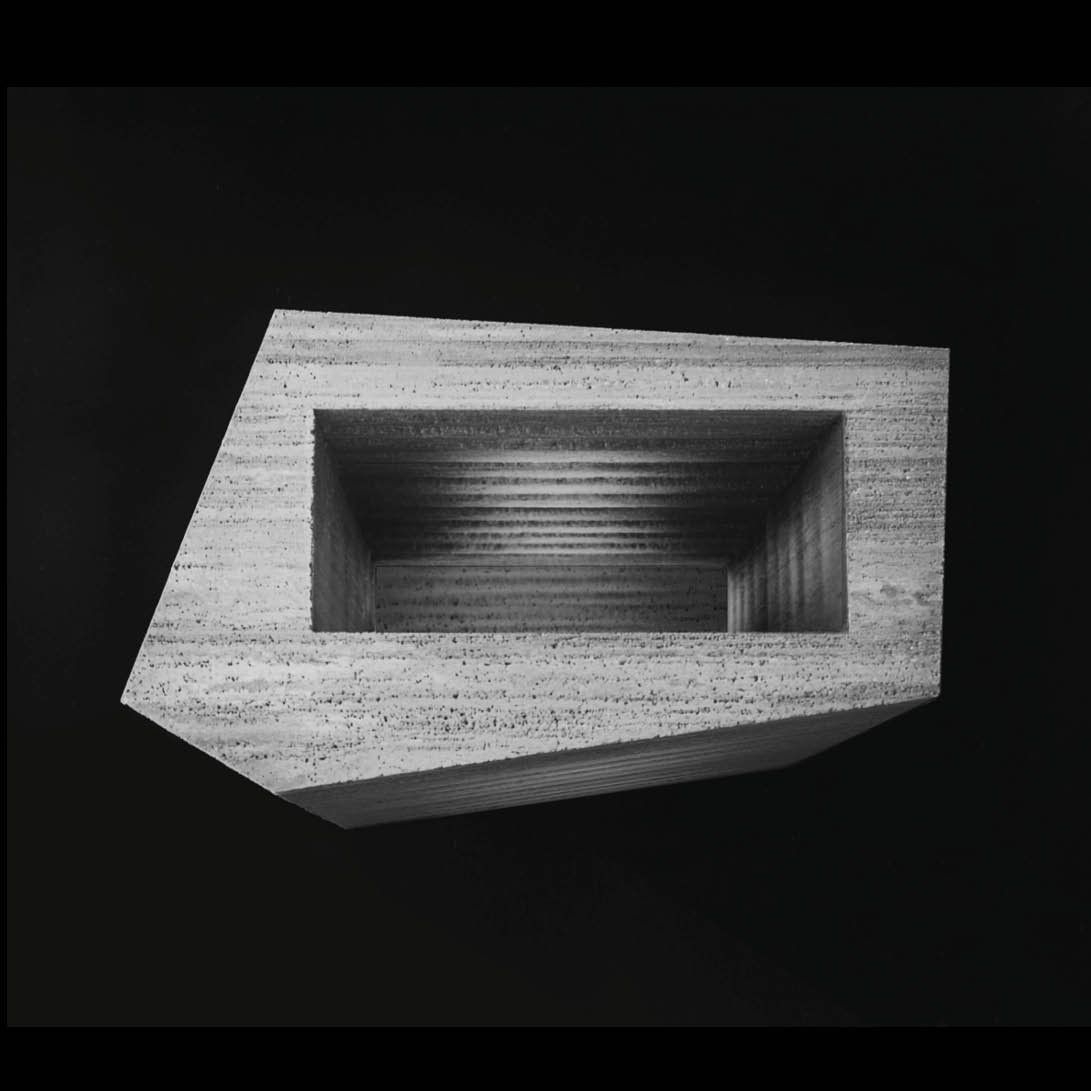
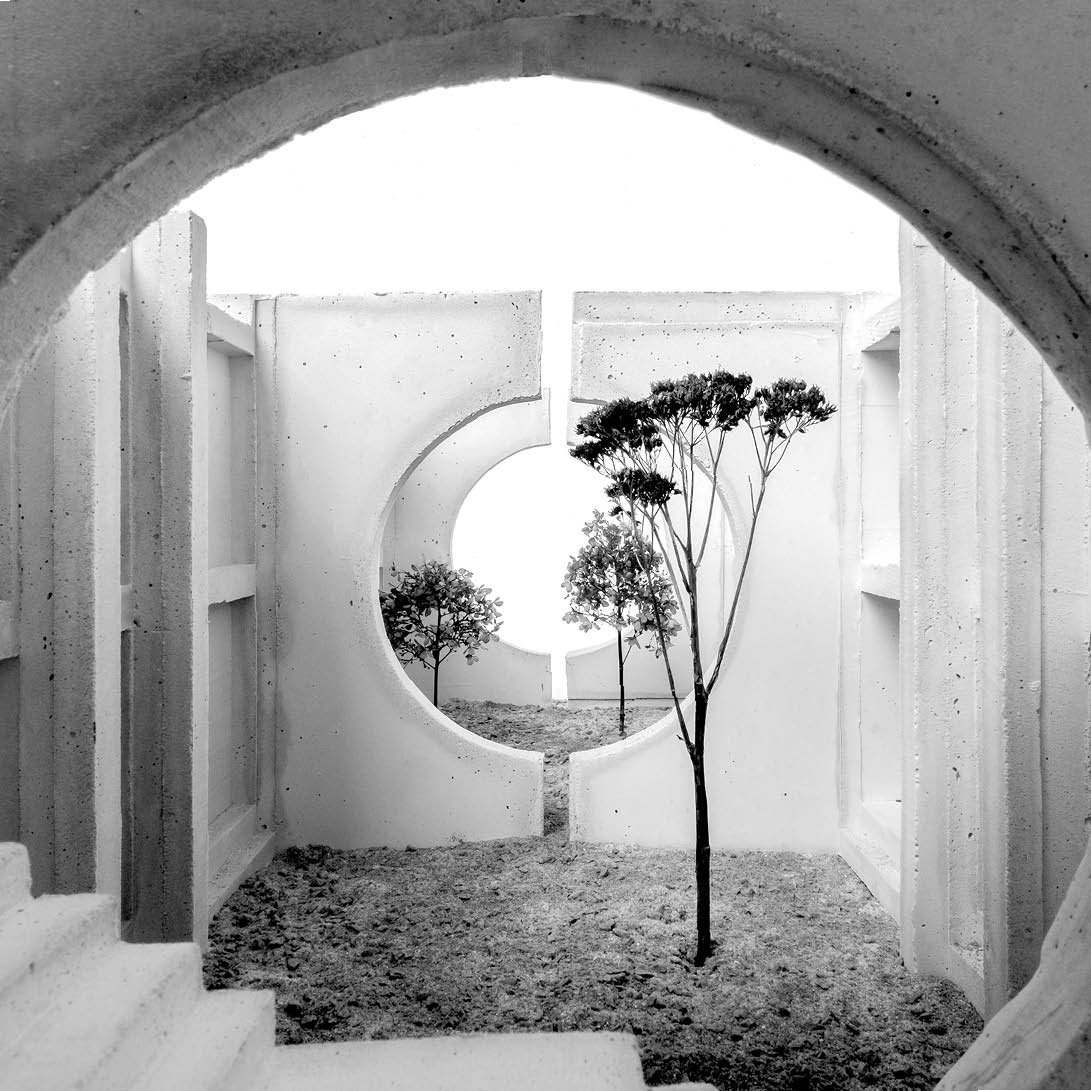
The historic garden of the Academy of Fine Arts in Munich is set to gain a new exhibition space for students.
‚A Monolith in Natur‘ stands as a clear architectural figure within the landscape. The design employs solid rammed-earth walls as a calm, enduring structure in the garden. The building is conceived as a permanent fixture within the existing site. Externally, it functions as a stage or screen for outdoor art, while remaining a serene, abstract presence in the garden. Inside, a focused exhibition space is created. The interplay of earth, light, and proportions generates a minimalist, intimate spatial setting for the presentation of art. The wall is the central architectural element. It defines the space, frames perception, and creates the foundation for the impact of art in both the interior and exterior spaces.
Head of project: June Saul
STUDIO Profesor: Carlo Baumschlager
004


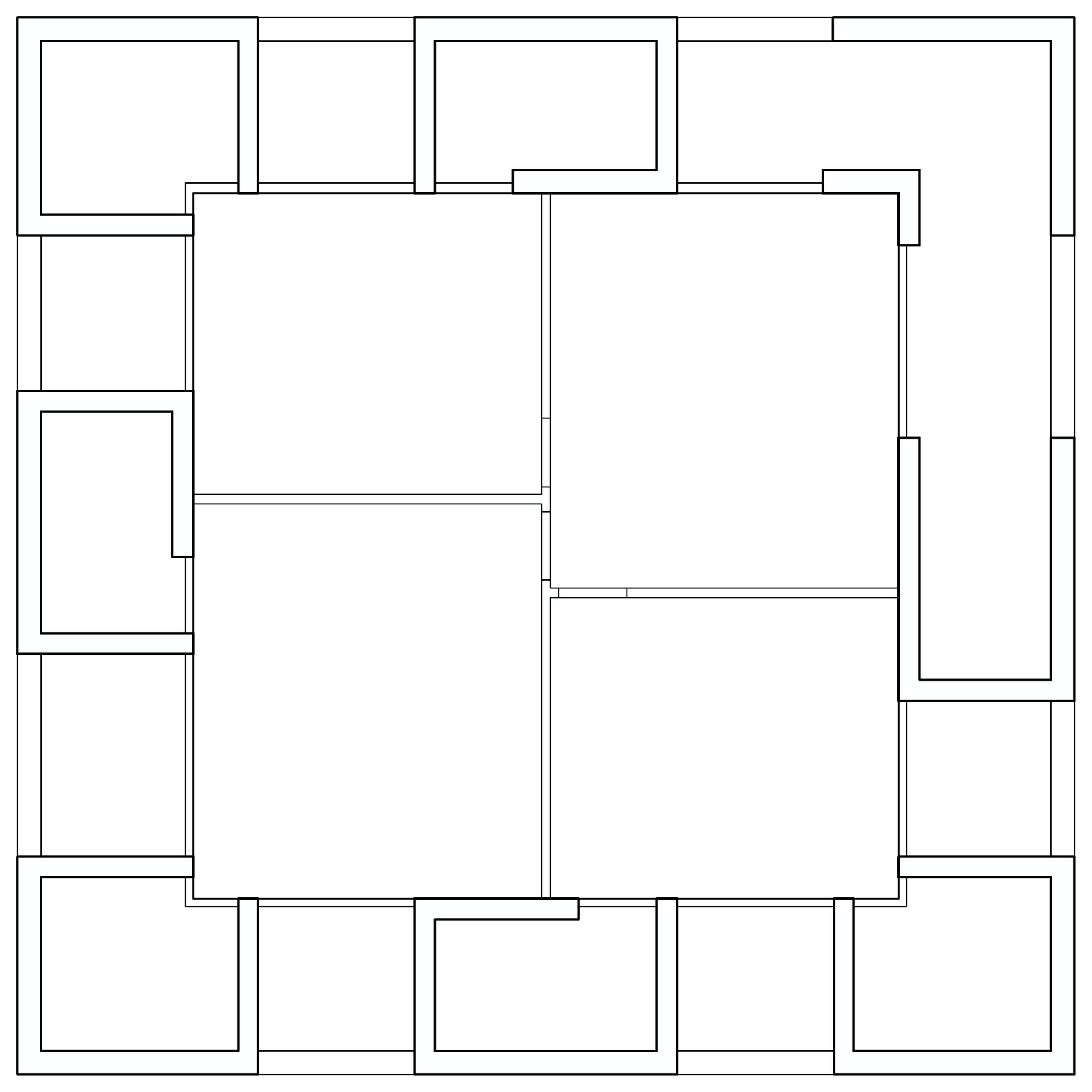
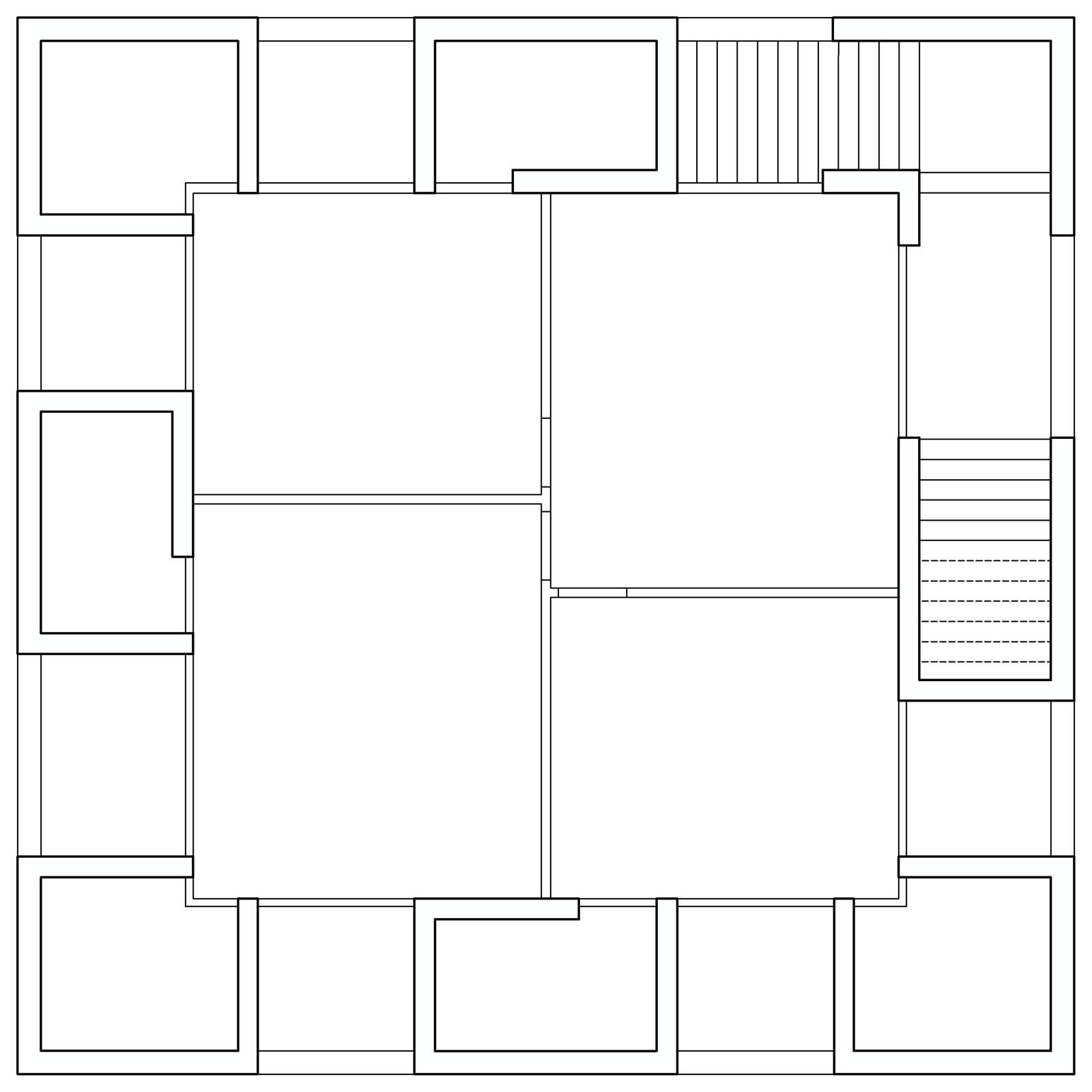
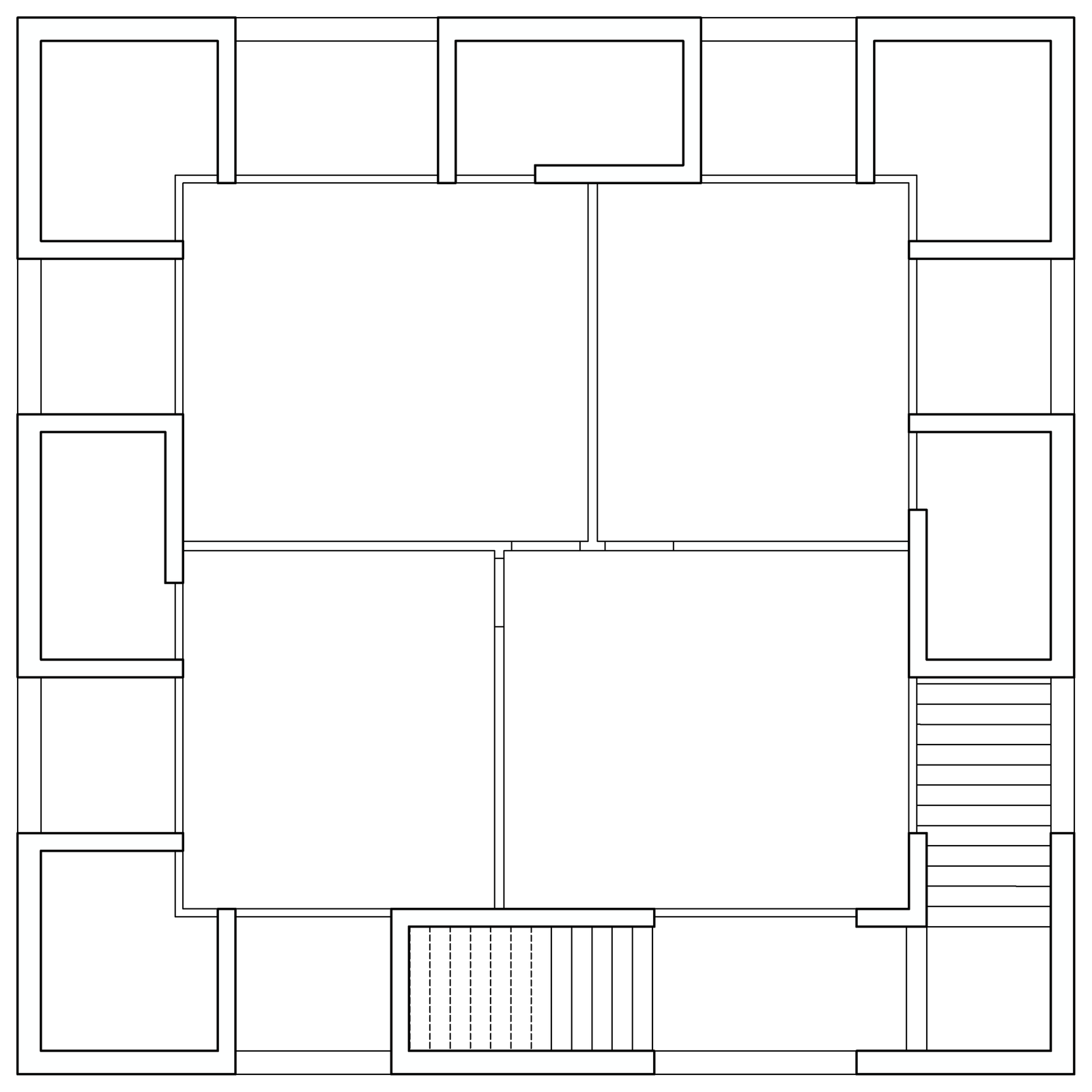
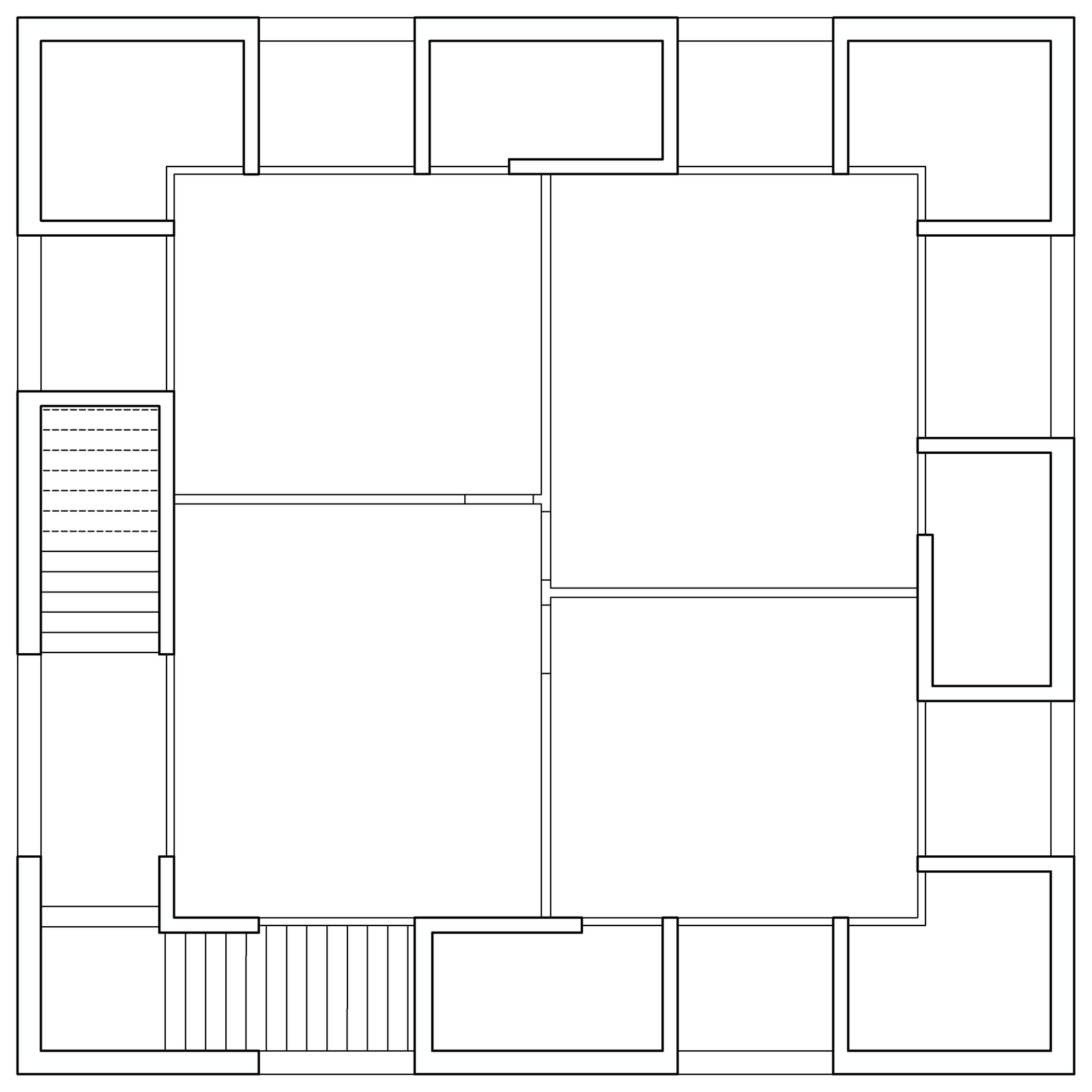
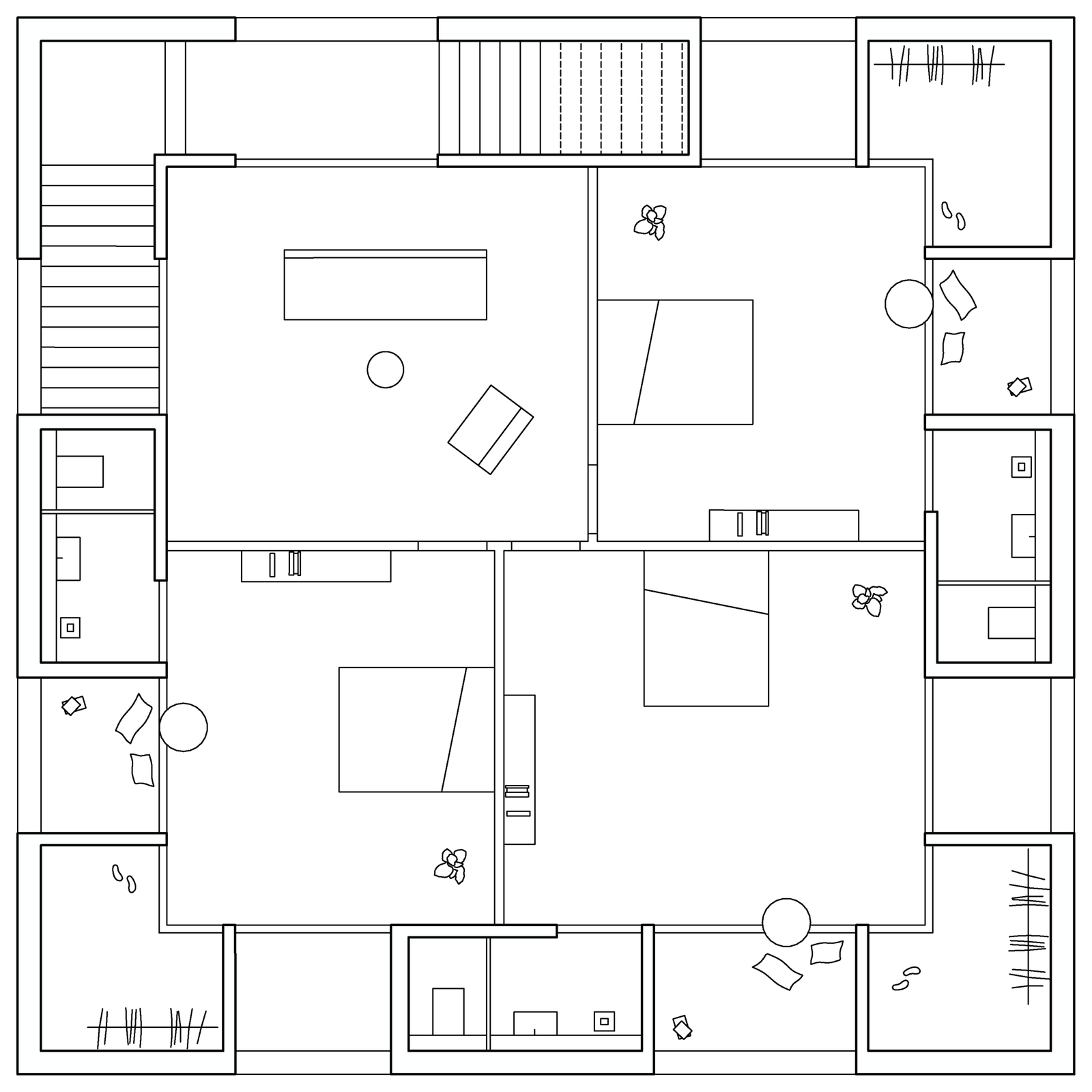
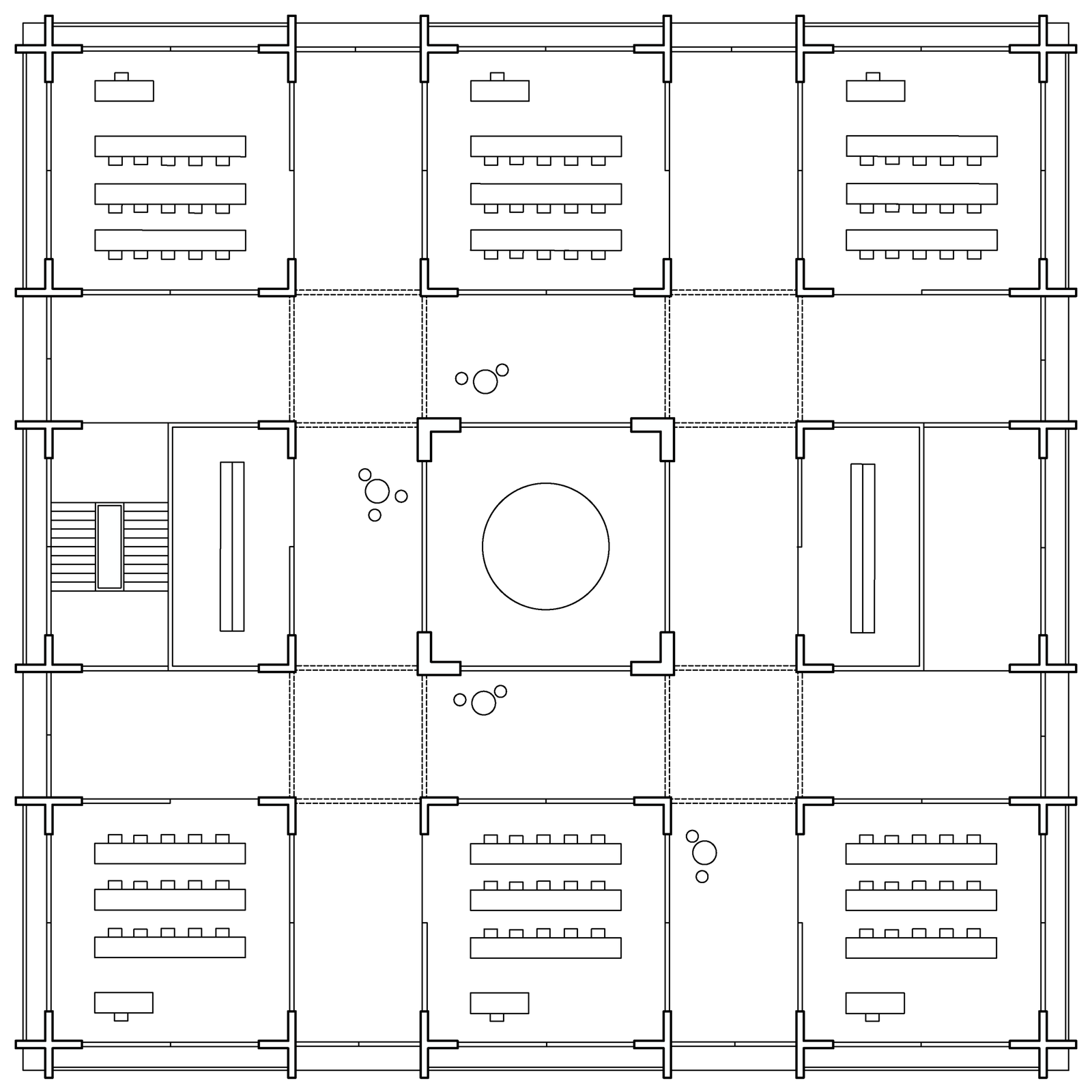
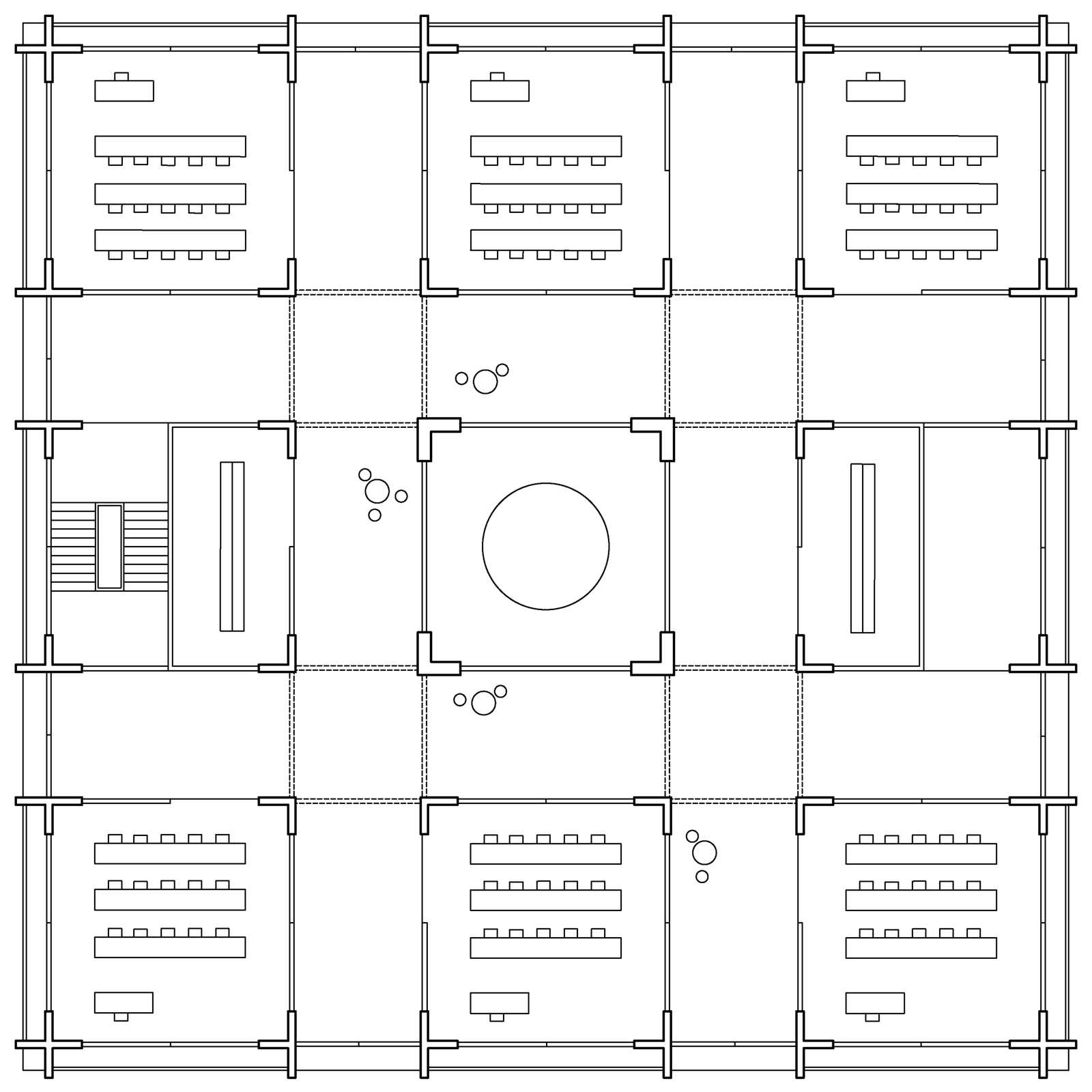
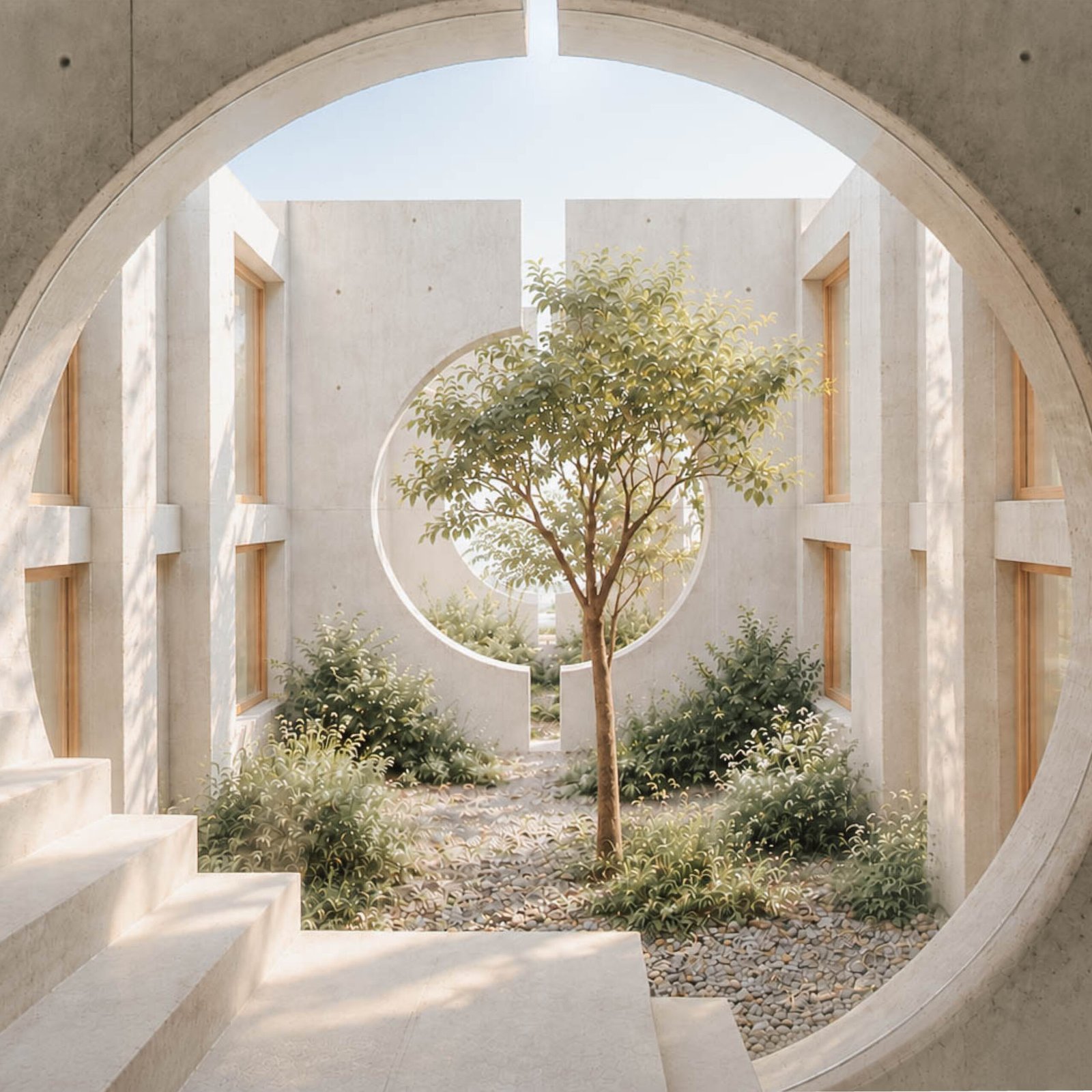
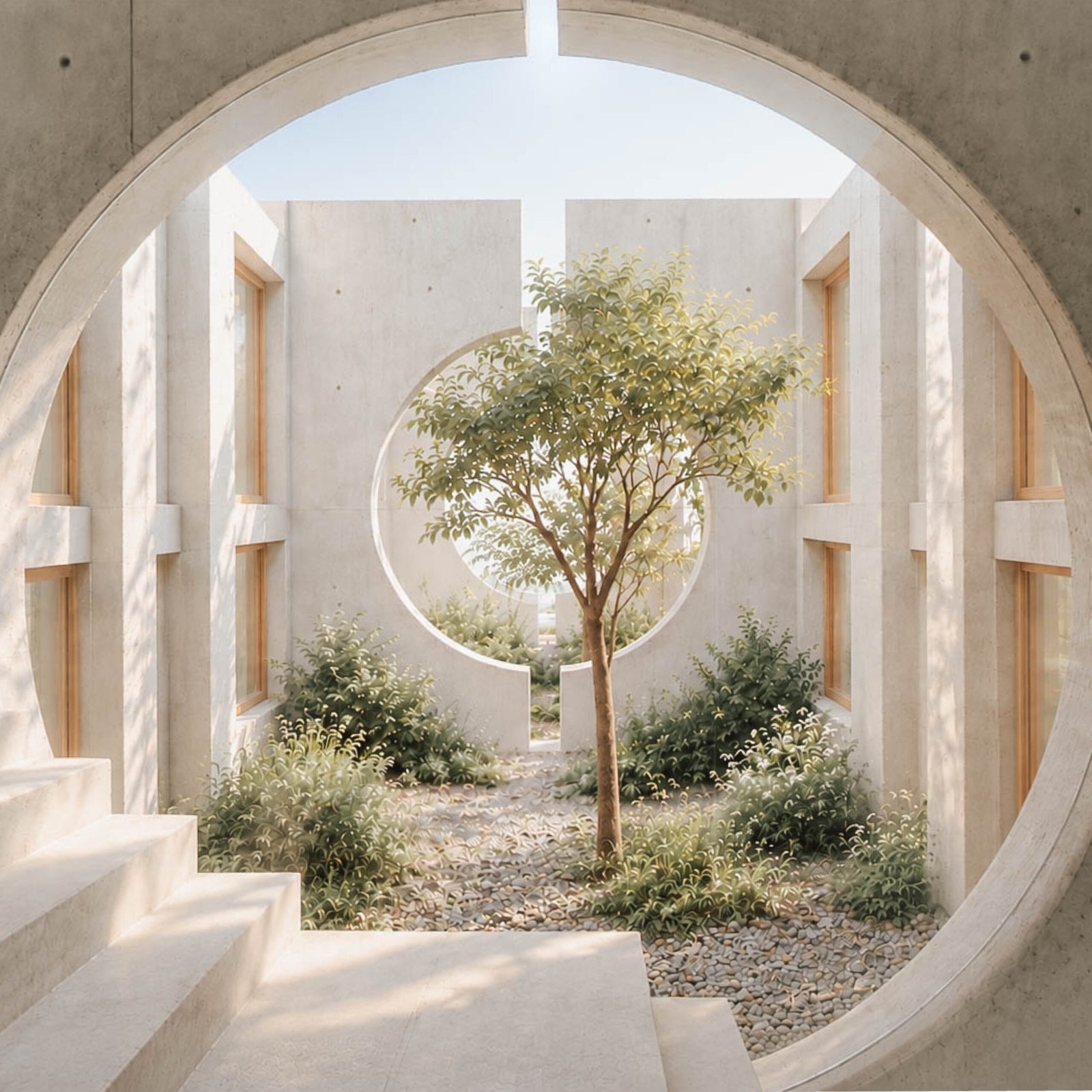
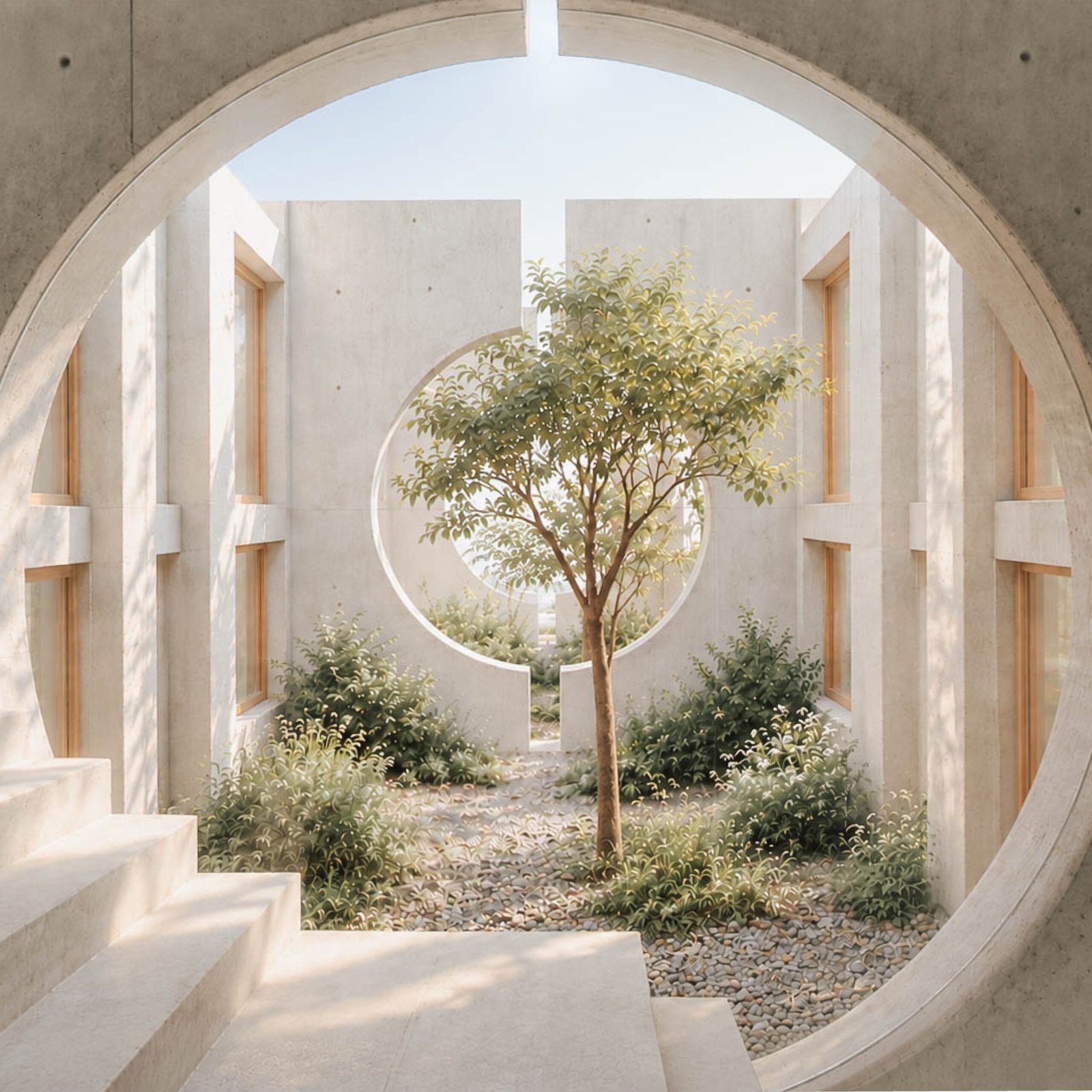
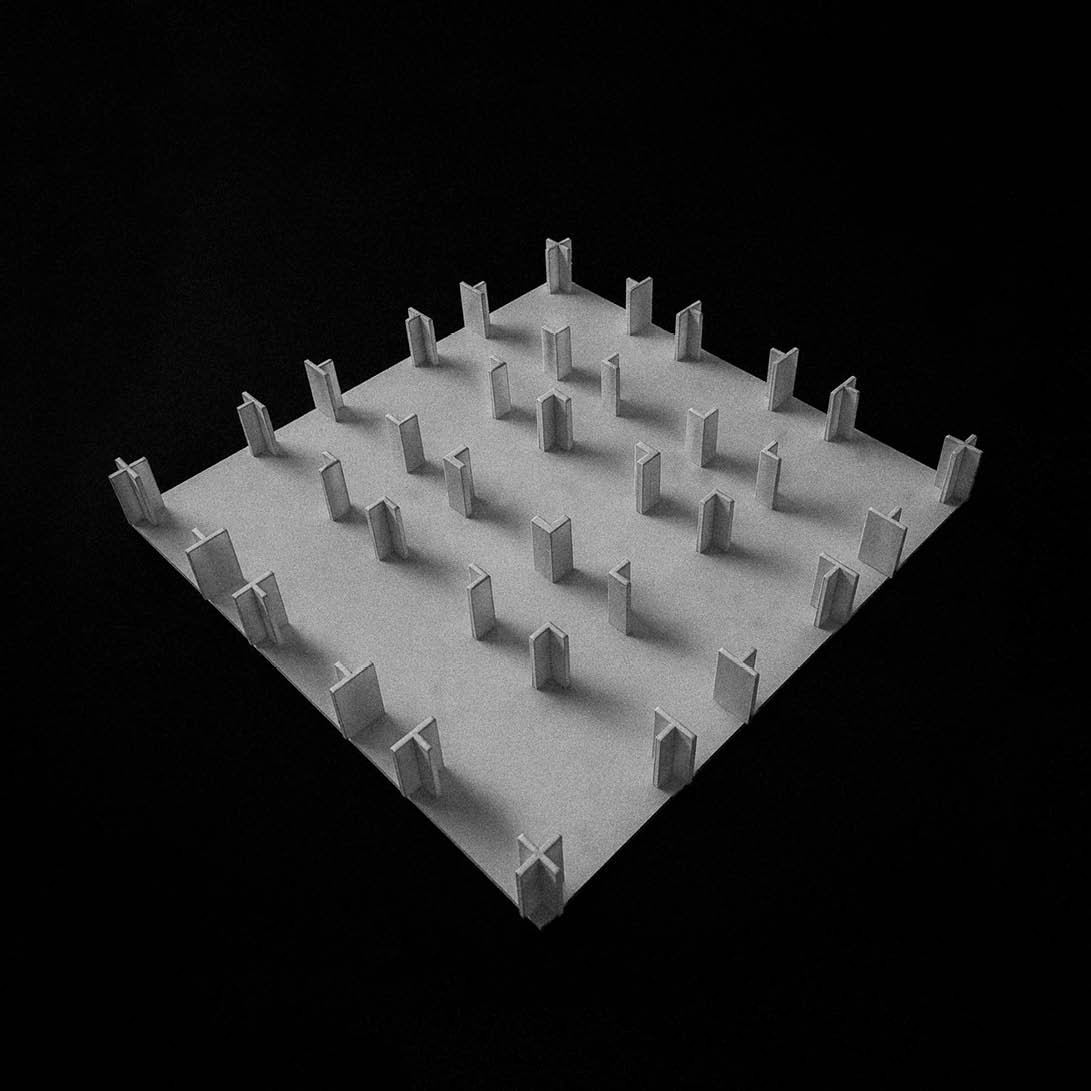
Architecture as the ‚third educator‘
Children from unstable living situations do not develop their behavior in isolation, but rather through direct interaction with their physical environment. Unstable living conditions often lead to a sense of disorientation, a lack of security, and limited opportunities for development.
Architecture as an active influence on behavior and development. Spaces are not neutral, but rather formative they can either stabilize or destabilize.
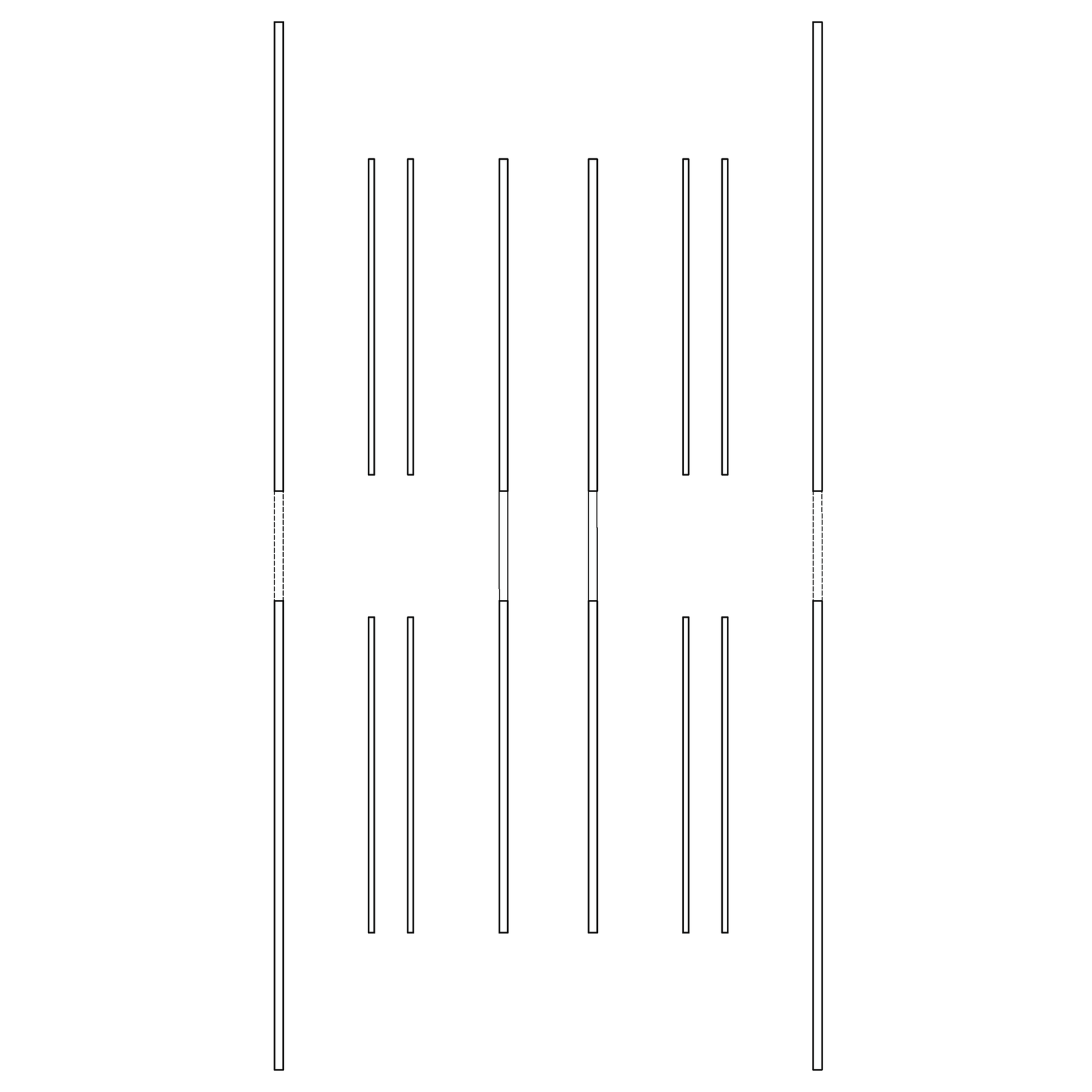
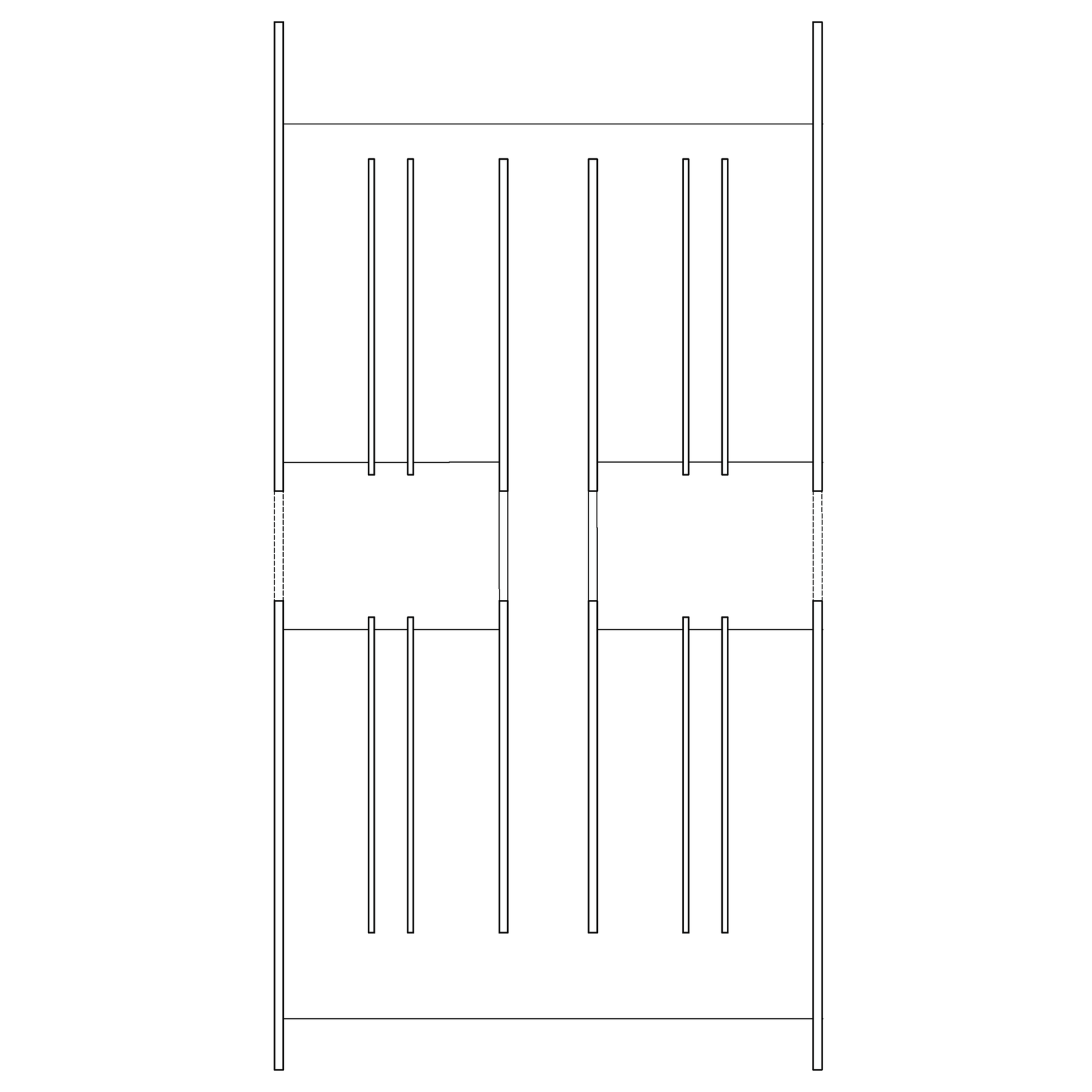
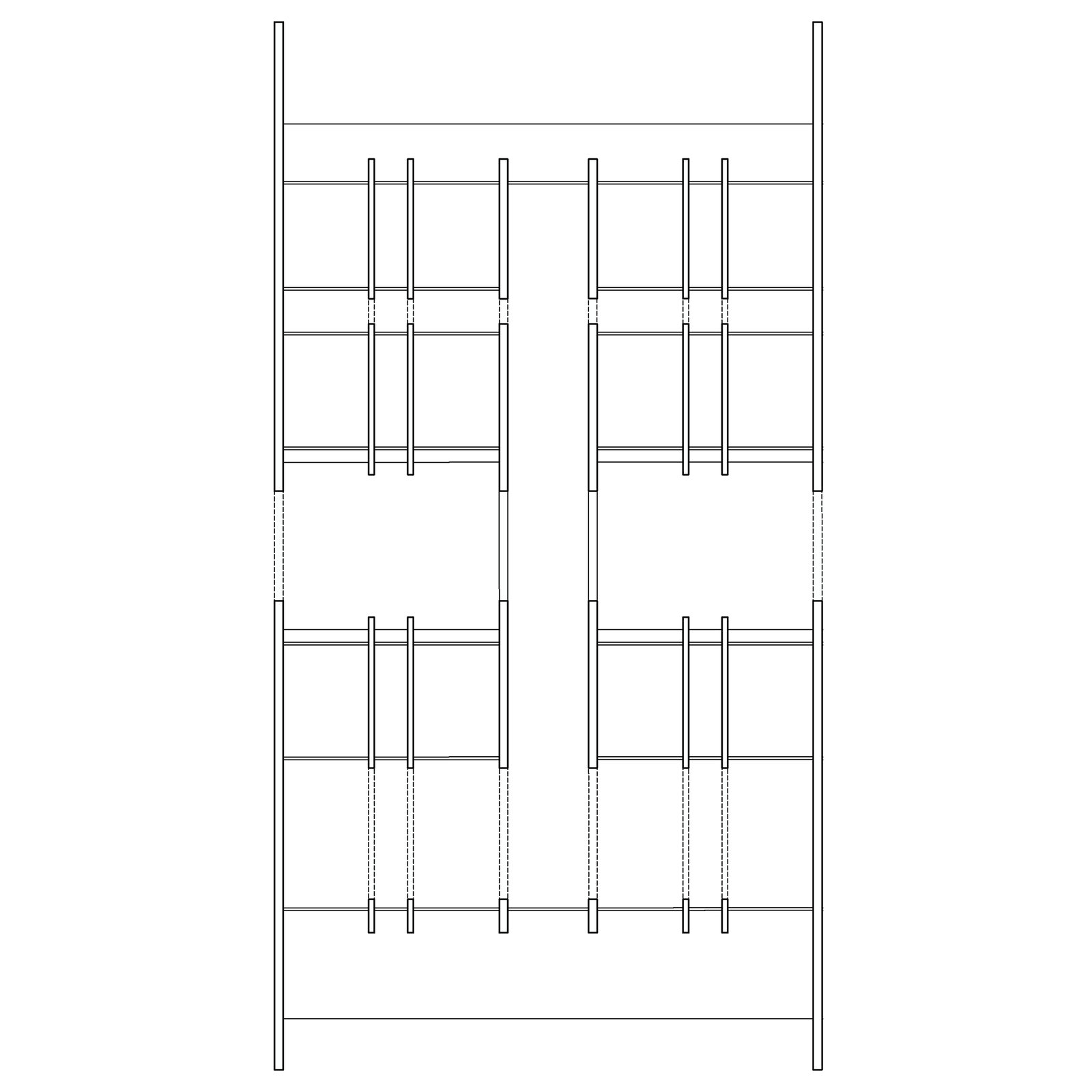
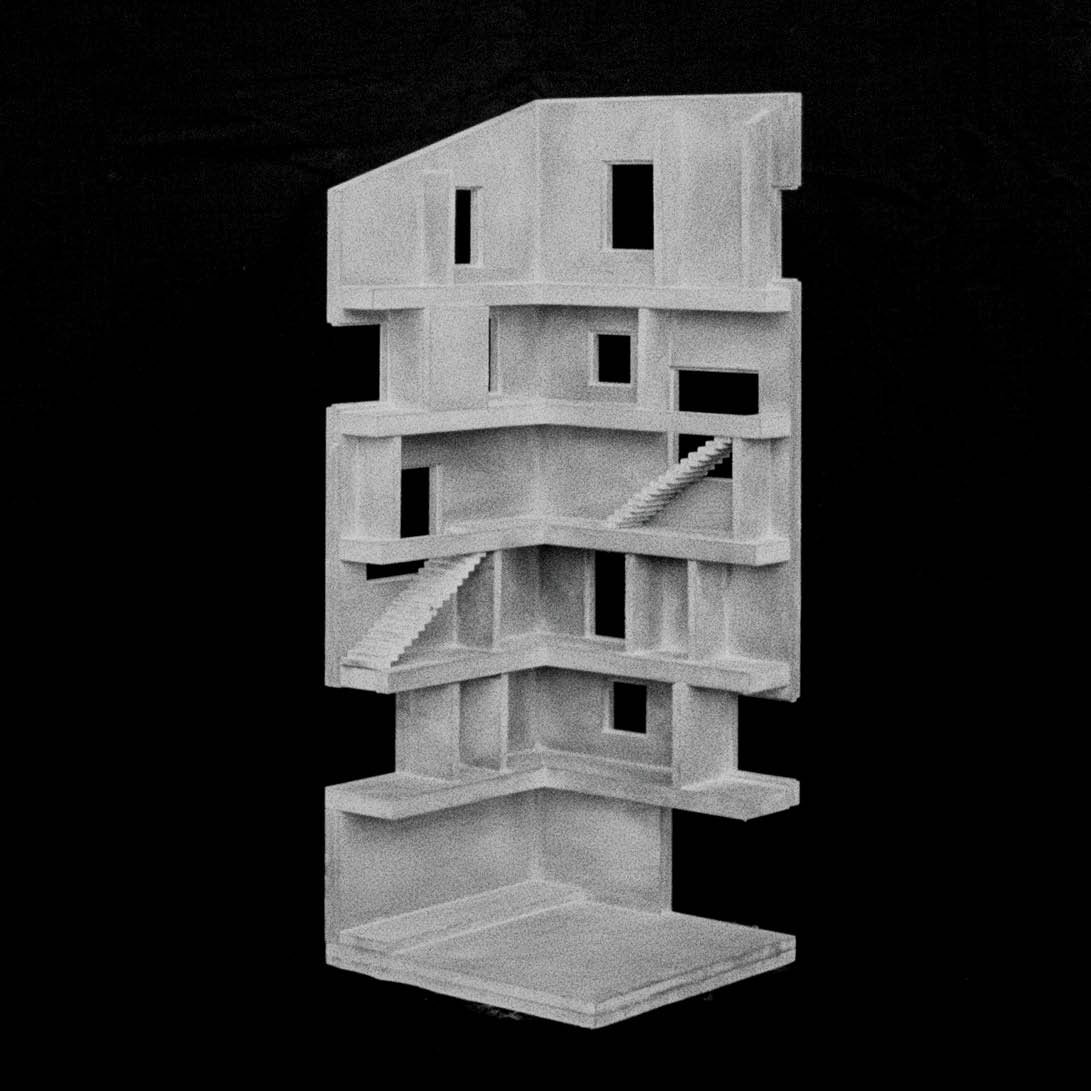
‚Schotten‘ addresses precisely this point and establishes a clear spatial order between protection and openness. A defined core forms the stable, protected area of the building and provides orientation and security as fundamental spatial conditions. A tiered spatial structure is organized from this center. Controlled transitions connect the retreat area with open, communal spaces. The shift between privacy and collectivity is not random but is deliberately controlled through spatial design.
The architecture is conceived as a layered system of security, orientation, and social openness. The goal is to offer children a stable spatial foundation that enables development, supports integration, and fosters positive resilience through clear spatial structures.
Head of project: June Saul
STUDIO Profesor: Carlo Baumschlager
003


Architecture and Art
I Studied at the Academy of Fine Arts Munich under Bernardo Bader and Carlo Baumschlager With a focus on a strong conceptual approach and extremely precise implementation in visual communication. My work is characterized by a keen sense of atmosphere and a strong graphic eye. In my opinion, the basic prerequisite for good design work is to understand the dialog between place, form and function, which convinces through its complexity and perfection in simplicity.
Studio led
by Barlo Baumschlager
by Bernardo Bader
work
(at) SCHÖNBORN SCHMITZ architekten
(at) glass Kramer löbbert architekten
(at) grünecker Reichelt architekten
collaboration
Artbase gallery
photograpy
June Saul
Website
June Saul
Impressum
June Saul
Architektin AKB
sitz: Berlin
The content of these pages has been carefully edited and checked. However, no guarantee is given for the topicality, correctness, completeness or quality of the information provided. All text, images, graphics, and other content published on this website are protected by copyright. Any use, reproduction, modification, or distribution beyond the legal limits of copyright law requires the prior written consent of the respective copyright holders. This website contains links to external third-party websites over whose content we have no control. Therefore, we assume no responsibility for this third-party content. The operators of the linked sites are solely responsible for their content.
© 2020–2026 June Saul. All content on this website is protected by copyright. All rights reserved.